5 Days in Albania Itinerary: Complete Travel Route and Guide
Updated 2026-11-01 · 5 min read · Prices and schedules change — check locally.
How to Spend 5 Days in Albania
- Day 1: Arrive in Tirana, tour Skanderbeg Square, Bunk'Art 2, and dine in the Blloku district.
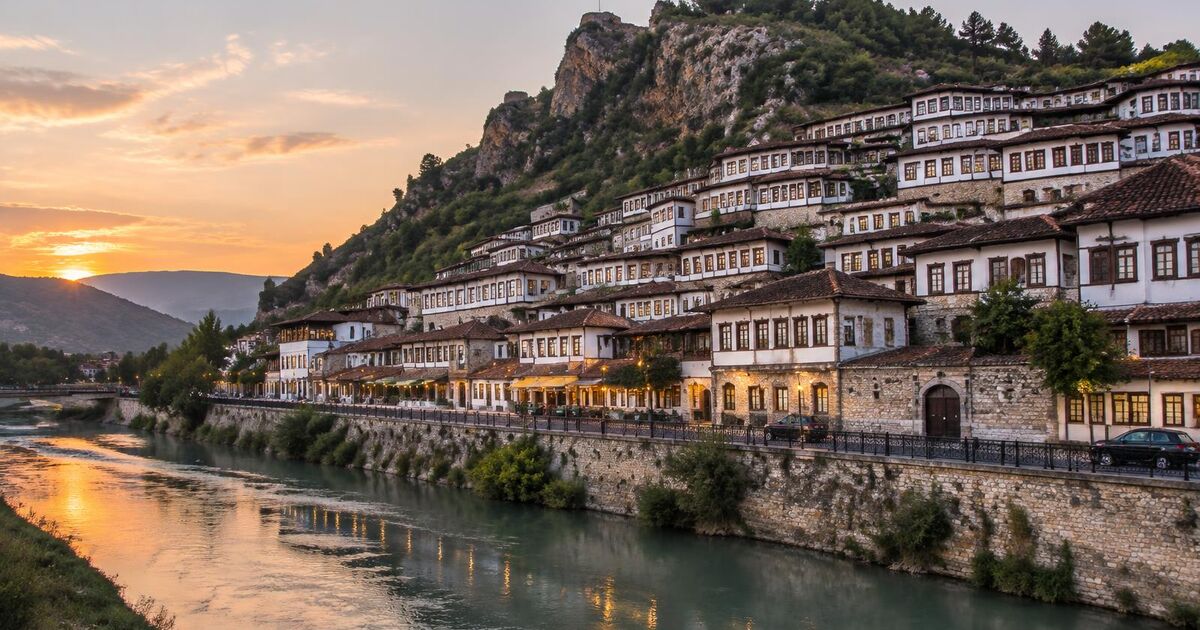
- Day 2: Travel south to Berat to explore the historic Mangalem and Gorica quarters and Berat Castle.
- Day 3: Head to Gjirokaster to visit the stone fortress and Ottoman-era Cold War tunnel.
- Day 4: Drive through the Blue Eye natural spring toward the southern coast around Vlore or Himare.
- Day 5: Return to Tirana via Apollonia archaeological park or Durres before your departure.
What is the best route for 5 days in Albania?
The classic central-to-south route covering Tirana, Berat, and Gjirokaster is ideal for a five-day stay.
For a short visit, focus on central and southern Albania to avoid long drives on winding mountain roads. Starting in Tirana gives you immediate context on Albania's communist history. From there, head south along modernized highways to Berat, known as the City of a Thousand Windows.
Continuing south toward Gjirokaster brings you to another UNESCO site famous for slate-roofed Ottoman homes. If time allows, loop back via the coastal highway through Vlore or cross the Llogara Pass, keeping driving times under three to four hours per day.
How do you get around Albania during a short trip?
Renting a car offers the necessary flexibility for a five-day itinerary, as public buses run on informal schedules and lack centralized booking.
Public transport relies on regional minibuses known as furgons. Furgons run frequently between major hubs like Tirana, Durres, and Berat, but timetables are rarely posted online and change seasonally. You must usually confirm departure times and terminal locations directly at the bus stations.
Renting a car typically costs 2,500 to 6,000 ALL (€25 to €60) per day depending on the season. Driving standards require alert defensive driving, but main roads connecting Tirana, Durres, Fier, and Vlore are paved and dual-lane in several sections.
How much does a 5-day trip to Albania cost?
A mid-range traveler typically spends between 35,000 and 65,000 ALL (€350 to €650) for five days, excluding international flights.
Albania remains an affordable European destination, though coastal areas experience higher rates in July and August. Cash remains essential; while hotels and major supermarkets accept cards, family-run guesthouses, small restaurants, and bus drivers require Albanian Lek.
Prices fluctuate based on seasonality and inflation. The table below outlines typical price ranges expected during a 5-day trip across different expense categories.
| Expense Category | Estimated Cost (ALL) | Estimated Cost (EUR) |
|---|---|---|
| Mid-range Hotel (per night) | 4,000 - 8,000 ALL | €40 - €80 |
| Daily Car Rental | 2,500 - 6,000 ALL | €25 - €60 |
| Restaurant Meal (per person) | 800 - 2,000 ALL | €8 - €20 |
| Museum / Site Entry | 300 - 1,000 ALL | €3 - €10 |
| Local Bus / Furgon Ride | 400 - 1,200 ALL | €4 - €12 |
Can you fit the Albanian Riviera into a 5-day trip?
Yes, but visiting the southern coast requires limiting time spent in inland cultural destinations to prevent excessive driving.
Reaching Sarande or Ksamil from Tirana requires approximately four to five hours by car. If beaches are your primary goal, combine Tirana with a direct transfer to Vlore, Himare, or Dhermi via the Llogara Pass, which reduces the driving distance compared to the far south.
Visiting the coast outside the peak summer window of June through August provides empty beaches and lower accommodation rates, but many seasonal beach businesses in small villages stay closed between November and April.
What should travelers know about safety, money, and etiquette?
Albania is generally very safe with low rates of violent crime, but carrying cash and driving defensively are crucial practicalities.
Violent crime targeting tourists is rare, and hospitality is deeply embedded in local culture. Standard safety measures apply in busy city centers where petty pickpocketing can occasionally happen in crowded transit hubs.
ATMs from domestic and international banks are widely available in cities. Be aware that some international ATM networks charge withdrawal fees ranging from 500 to 800 ALL (€5 to €8). Always keep cash handy for rural toll roads, parking attendants, and small eateries.