Backpacking Albania on a Budget: Costs, Routes, and Travel Tips
Updated 2026-11-01 · 6 min read · Prices and schedules change — check locally.
How to Backpack Albania on a Budget
- Withdraw Albanian Lek from fee-free bank ATMs upon arrival, as cash is required for small businesses and regional buses.
- Travel between cities using furgons (minibuses) departing from regional bus terminals, paying the driver directly in cash.
- Book hostel beds or family-run guesthouses early if visiting coastal hubs like Sarandë during July or August.
- Eat at traditional bakeries (furrë buke) and grill houses (qebaptore) instead of tourist restaurants on main promenades.
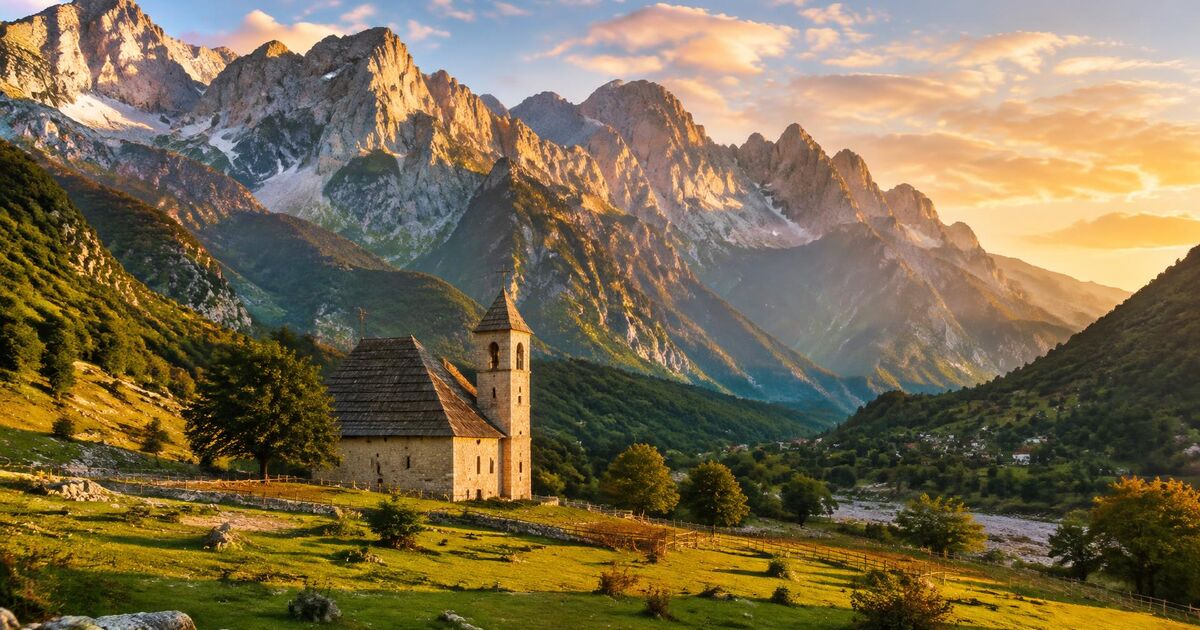
- Take advantage of free natural sights, such as hiking trails in the Accursed Mountains and public coastal viewpoints.
How much does it cost to backpack in Albania per day?
A realistic daily budget for a solo backpacker ranges between 3,000 and 5,000 ALL (€30 to €50). This covers a hostel dorm, three inexpensive meals, regional bus transit, and occasional entrance fees.
Travelers aiming for a bare-minimum budget can manage on roughly 2,500 ALL (€25) per day by self-catering, camping, or staying in off-season dorms. Those wanting private rooms or organized day excursions should budget 6,000 to 8,000 ALL (€60 to €80) daily. Prices vary by season, rising notably in coastal areas during July and August.
Costs also depend on currency fluctuations and ongoing inflation. Paying in lek is almost always cheaper than paying in euros, as businesses often round up exchange rates to their benefit.
| Expense | Budget Range (ALL) | Budget Range (EUR) |
|---|---|---|
| Hostel Dorm Bed | 1,200 - 2,500 ALL | €12 - €25 |
| Street Food / Bakery Meal | 150 - 450 ALL | €1.50 - €4.50 |
| Sit-down Meal (Traditional) | 600 - 1,200 ALL | €6 - €12 |
| Intercity Minibus (Furgon) | 400 - 1,500 ALL | €4 - €15 |
| Museum / Castle Entry | 200 - 600 ALL | €2 - €6 |
How do you get around Albania cheaply?
Regional minibuses known as furgons and scheduled intercity coaches are the cheapest ways to travel across Albania. There is no active passenger rail network connecting major tourist destinations.
Buses and furgons typically depart from regional transit terminals located outside town centers. In Tirana, for example, long-distance buses use the South and North Bus Terminal (Terminali i Autobusëve të Veriut dhe Jugut). Fares are paid in cash to the driver or conductor upon boarding or during the journey.
Furgon routes rarely publish centralized digital timetables online. Departure schedules change frequently based on passenger volume, so travelers should confirm departure times at local terminals the day prior.
| Route | Typical Cost (ALL) | Typical Cost (EUR) |
|---|---|---|
| Tirana to Shkodër | 400 - 500 ALL | €4 - €5 |
| Tirana to Berat | 500 - 600 ALL | €5 - €6 |
| Tirana to Sarandë | 1,200 - 1,700 ALL | €12 - €17 |
| Sarandë to Gjirokastër | 400 - 500 ALL | €4 - €5 |
What are the cheapest accommodation options in Albania?
Hostels and family-run guesthouses offer the most affordable beds, generally ranging from 1,200 to 2,500 ALL (€12 to €25) per night for a dorm. Wild camping is also technically legal on public land, provided it is not in protected reserves or on private property.
Most major hubs—including Tirana, Shkodër, Berat, and Gjirokastër—have established backpacker hostels with communal kitchens. Utilizing hostel kitchens reduces overall daily costs substantially, as supermarket staples like seasonal produce, dairy, and bread are inexpensive in Albania.
Coastal towns such as Sarandë, Ksamil, and Himarë experience steep price spikes between late June and late August. Backpackers on strict budgets should visit coastal destinations during May, June, or September, when accommodation prices drop by up to 50 percent.
How can backpackers save money on food in Albania?
Backpackers can keep food costs low by eating at neighborhood bakeries (furrë buke) and local grill houses (qebaptore). A traditional meat or cheese pastry costs around 100 to 200 ALL (€1 to €2).
For lunch and dinner, casual qebaptore serve grilled sausages (qofte), chicken, and local side salads for 400 to 800 ALL (€4 to €8). In traditional taverns, ordering home-cooked daily stews (gjellë) is significantly cheaper than ordering imported foods or seafood.
Tap water safety varies across Albania. While mountain towns like Theth and Valbona have clean spring water, municipal tap water in coastal cities and parts of Tirana is often not recommended for direct drinking. Budget travelers should use large refillable jugs or water filter bottles to minimize plastic purchases.
Do you need cash for backpacking in Albania?
Yes, cash is necessary for public transport, small bakeries, local markets, and many budget guesthouses. Credit cards are largely limited to high-end hotels, supermarkets, and formal chain restaurants in major cities.
The local currency is the Albanian Lek (ALL). While some vendors accept euros, they often calculate the conversion at unfavorable rates and issue change in lek. Paying in local currency avoids conversion losses.
Many Albanian bank ATMs levy high foreign withdrawal fees, often 500 to 800 ALL (€5 to €8) per transaction. Travelers should check multiple domestic bank machines to find providers that do not charge local operator fees, and always decline dynamic currency conversion at the screen.
What is the best budget route through Albania?
A classic budget route runs from Tirana to Shkodër and the northern mountains, followed by historic inland towns like Berat and Gjirokastër. This itinerary utilizes reliable transport corridors and keeps daily expenses low.
Starting in Tirana provides access to low-cost cultural sites like Bunk'Art and historic central plazas. Heading north to Shkodër sets up the self-guided hike between Valbona and Theth, one of Europe's premier low-cost mountain treks requiring only basic guesthouse stays.
After returning south, stops in Berat and Gjirokastër showcase UNESCO-listed Ottoman architecture and historic castles with low admission fees. This route avoids overpriced tourist hubs while connecting seamlessly via budget-friendly furgon lines.