Albania in July and August: Heat, Crowds, and Peak Prices
Updated 2026-11-01 · 5 min read · Prices and schedules change — check locally.
How to Plan a Trip to Albania in July and August
- Book coastal accommodations and rental cars at least two to three months ahead to secure availability and lower rates.
- Schedule walking tours and outdoor historical visits before 10:00 AM or after 6:00 PM to avoid peak heat.
- Carry cash in Albanian lek for beach loungers, rural fuel stations, and small dining spots that do not accept cards.
- Drive between southern coastal towns in the early morning to avoid severe midday traffic bottlenecks on single-lane roads.
- Split your itinerary between crowded beaches and cooler, high-altitude mountain areas like Theth or Valbona.
How hot does Albania get in July and August?
Lowland and coastal areas in Albania routinely experience daytime temperatures between 32°C and 40°C (90°F to 104°F) during July and August.
Inland urban hubs like Tirana, Berat, and Gjirokaster trap heat within valley basins and stone masonry, making outdoor activities draining between 11:00 AM and 5:00 PM. High humidity near the central plains often increases the heat index beyond the actual thermometer reading.
The coast receives occasional afternoon sea breezes, but direct sun exposure remains intense. In contrast, the northern Accursed Mountains provide natural cooling, with high-altitude areas seeing pleasant daytime averages around 24°C to 28°C and nights dropping below 15°C.
Where are crowds worst in Albania during peak summer?
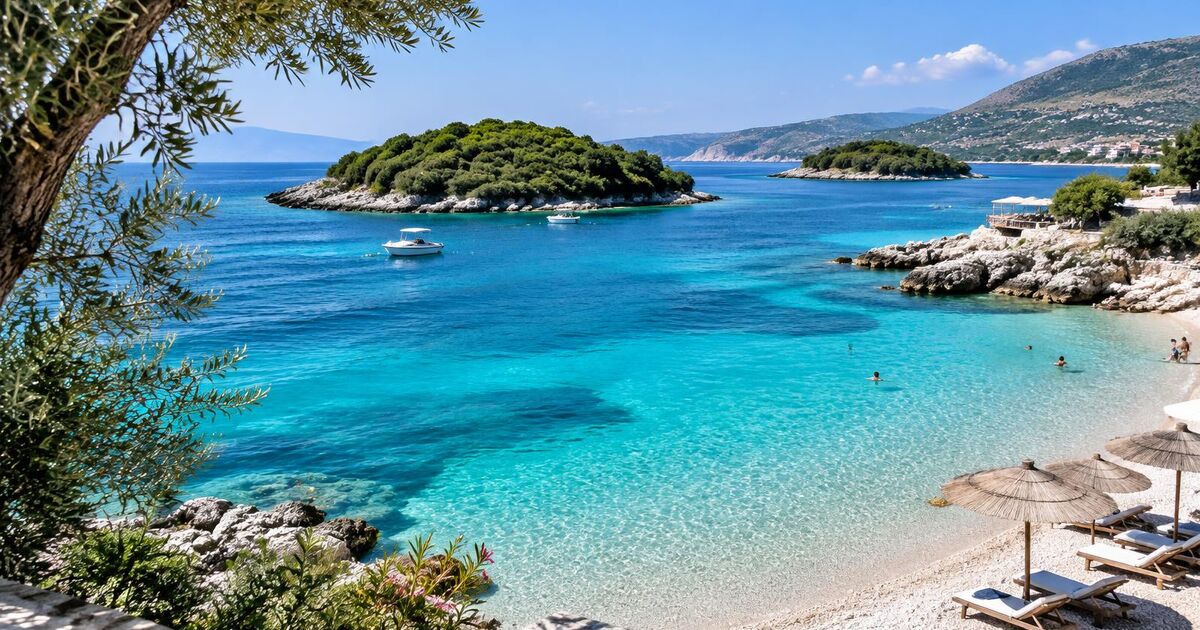
The heaviest congestion concentrates along the southern Albanian Riviera, particularly in Ksamil, Saranda, Dhermi, and Vlora.
Ksamil is the most densely packed location in Albania during high summer. Most shoreline space is taken up by private sunbeds placed side-by-side, leaving very little public access. Traffic through Vlora and over the coastal SH8 highway can crawl at a standstill during peak transfer hours.
Key tourist transport links also hit capacity, including the Corfu-Saranda ferry routes and the Koman Lake passenger boats. While mountain valleys and southeastern lake towns receive visitors, they rarely feel overwhelmed to the extent of the southwestern beaches.
How much do travel prices increase in July and August?
Rental cars and coastal accommodations typically double in price during July and August compared to shoulder months like May, June, or September.
Mid-range coastal hotels that cost 4,000 to 6,000 ALL (€40 to €60) in the spring frequently rise to 10,000 to 18,000 ALL (€100 to €180) per night in August. Vehicle rental rates follow the same trend due to limited local fleet availability during summer demand spikes.
Everyday staple costs like groceries, municipal transport, and state museum entries remain fixed year-round. However, private beach operators charge peak rates for sun lounger rentals. Prices vary by venue and are subject to change over time.
| Expense Category | Shoulder Season (May-June) | Peak Summer (July-August) |
|---|---|---|
| Standard Riviera Hotel Room | 4,000 - 6,000 ALL (€40 - €60) | 10,000 - 18,000 ALL (€100 - €180) |
| Economy Car Rental (Per Day) | 2,500 - 3,500 ALL (€25 - €35) | 5,500 - 9,000 ALL (€55 - €90) |
| Two Beach Beds + Umbrella | 500 - 1,000 ALL (€5 - €10) | 1,500 - 3,500 ALL (€15 - €35) |
| Sit-Down Meal (Per Person) | 1,000 - 1,500 ALL (€10 - €15) | 1,200 - 2,000 ALL (€12 - €20) |
Is driving in Albania difficult during July and August?
Driving requires extra patience during peak season due to severe coastal traffic jams, scarce parking, and aggressive driving habits.
Single-lane coastal roads struggle to accommodate high vehicle volumes, leading to long delays around town centers such as Himara, Saranda, and Ksamil. Finding legal parking near popular beaches can be exceptionally difficult after mid-morning, and local police strictly tow improperly parked cars.
Mountain driving routes like the road to Theth are paved and less congested than the coast, but they still require focus on narrow switchbacks. Always purchase full insurance coverage and travel early in the morning to bypass the heaviest commuter traffic.
What are the best alternatives to the crowded Riviera?
The Accursed Mountains in the north and the southeastern lakes around Pogradec provide cooler weather and significantly smaller crowds.
The northern alpine corridor, spanning Theth, Valbona, and Shkodra, offers excellent hiking trails and guesthouse hospitality without Mediterranean heatwaves. Even though popular mountain routes have seen visitor growth, they maintain a relaxed, unhurried atmosphere.
In the southeast, Lake Ohrid around Pogradec and the quieter Lake Prespa offer freshwater swimming at much lower price points. Temperatures around the lakes tend to be several degrees lower than in the coastal plains, with cooler evening breezes.