Best Museums in Albania: Top Cultural and Historical Sites
Updated 2026-11-01 · 6 min read · Prices and schedules change — check locally.
How to Plan a Museum Itinerary Across Albania
- Select core themes such as Cold War history in Tirana, medieval art in Korçë and Berat, or ancient military artifacts in Gjirokastër.
- Carry local cash (Albanian lek), as ticket booths at regional and municipal museums rarely accept card payments.
- Confirm operating schedules on official regional municipal pages, noting that state museums typically close on Mondays and public holidays.
- Budget 1 to 2 hours per museum, scheduling morning visits during the summer months to avoid heat in historic stone structures.
- Verify current entry fees on-site, as ticket prices change periodically.
What are the best museums to visit in Tirana?
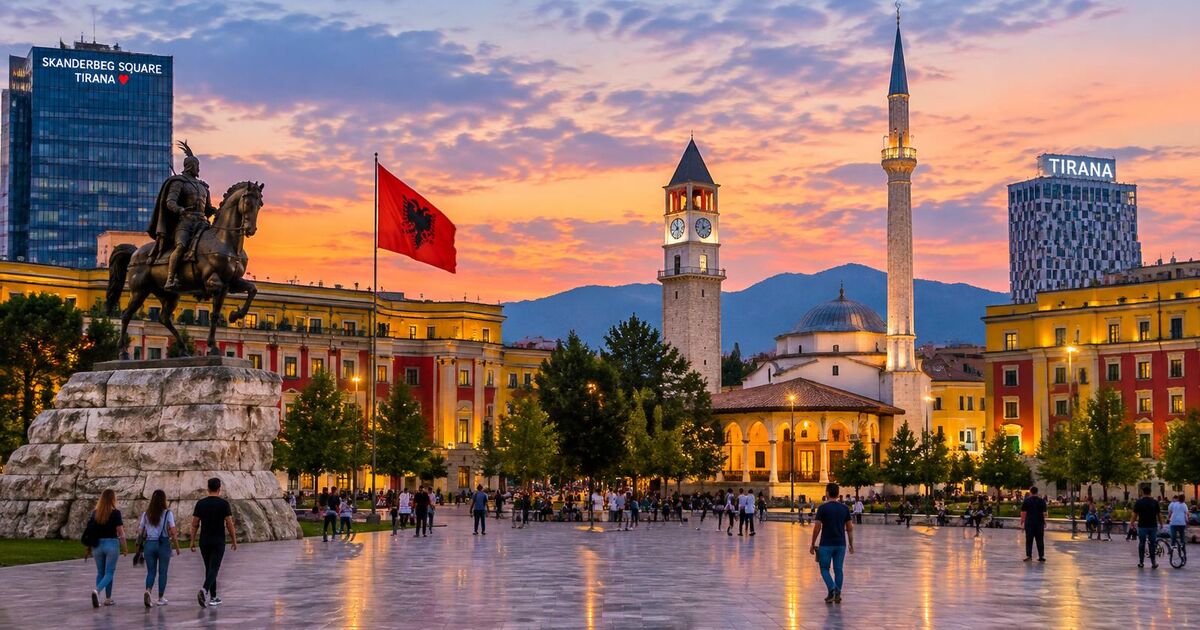
Tirana features Albania's primary historical institutions, notably Bunk'Art 1, Bunk'Art 2, the House of Leaves, and the National Historical Museum on Skanderbeg Square.
Bunk'Art 1 and Bunk'Art 2 convert massive Cold War underground bomb shelters into historical exhibits. Bunk'Art 1, located on the outskirts of Tirana near the Dajti cable car, focuses on the military apparatus and daily life during Enver Hoxha's regime. Bunk'Art 2, positioned centrally near Skanderbeg Square, documents the history of the Ministry of Internal Affairs and the political persecutions carried out by the Sigurimi police force.
The House of Leaves (Muzeu i Përgjimit Vetjak) operates within the former headquarters of the secret surveillance service. The museum displays original wiretapping gear, covert microphones, and interrogation logs, illustrating state espionage methods between 1944 and 1991. The National Historical Museum sits on Skanderbeg Square, though visitors should note that individual pavilions may be temporarily closed for preservation works.
Which regional museums outside Tirana are worth visiting?
Outside the capital, top cultural stops include the National Museum of Medieval Art in Korçë, the Marubi National Museum of Photography in Shkodër, and the Onufri Iconographic Museum in Berat.
The National Museum of Medieval Art in Korçë holds thousands of religious icons and liturgical items from Albanian and regional Byzantine traditions. The facility displays work by notable iconographers such as Onufri, Kostandin Shpataraku, and the Çetiri brothers in modern, climate-controlled galleries.
In Shkodër, the Marubi National Museum of Photography houses a photographic archive spanning the late 19th and 20th centuries. The collection began with Pietro Marubbi in 1856 and preserves over 500,000 glass plates and negatives documenting Albanian tribal leaders, urban shifts, and political figures. In Berat, the Onufri Iconographic Museum stands inside the Dormition of St. Mary Church in the castle quarter, displaying vibrant 16th-century tempera icons.
What are the top castle and fortress museums in Albania?
Prominent fortress museums operate inside the castles of Gjirokastër, Krujë, and Shkodër, focusing on regional defense, medieval governance, and historical weaponry.
Gjirokastër Castle features the Gjirokastër Museum and the National Museum of Armaments. The collections cover history from prehistoric settlements through the Communist era, alongside artillery pieces, an intact two-seater US Air Force jet recovered in 1957, and former political prison cells.
The Krujë Castle complex houses the National Museum 'Gjergj Kastrioti Skënderbeu', dedicated to Albania's 15th-century commander, and an adjacent Ethnographic Museum set in an 18th-century Ottoman home. Farther north, the Rozafa Castle Museum in Shkodër explains the multi-era fortification of the Buna, Drin, and Kir river confluence.
The table below summarizes essential details for prominent castle and regional museums:
| Museum | Location | Primary Focus | Typical Fee (Prices Change) |
|---|---|---|---|
| Gjirokastër Castle & Arms Museum | Gjirokastër | Fortress architecture, heavy artillery, regional history | 400 - 800 ALL (€4 - €8) |
| Onufri Iconographic Museum | Berat | 16th-century religious art, wooden iconostasis | 400 - 600 ALL (€4 - €6) |
| National Museum of Medieval Art | Korçë | Post-Byzantine icons, liturgical objects | 700 ALL (€7) |
| Marubi National Museum | Shkodër | Historic photography, glass-plate negatives | 700 ALL (€7) |
| Skanderbeg Museum | Krujë | Medieval defense, anti-Ottoman resistance | 500 ALL (€5) |
How much does museum admission cost in Albania?
Admission fees for state and municipal museums in Albania generally fall between 200 ALL and 1,000 ALL (€2 to €10) per adult ticket.
Small municipal exhibitions, such as archaeological pavilions in Vlorë or Sarandë, charge as little as 200 to 300 ALL (€2 to €3). Independent or privately managed historical sites like Bunk'Art 1 and Bunk'Art 2 set admission closer to 800 to 1,000 ALL (€8 to €10) per venue, with joint discounted tickets sometimes offered.
Admission prices change periodically due to state ministry updates and inflation. Children under 12 and university students with valid identification often receive reduced rates or free access. Always maintain cash in Albanian lek, as automated card terminals remain uncommon outside flagship venues in Tirana.
What practical rules apply when visiting Albanian museums?
Visitors must follow standard rules prohibiting flash photography, prepare for limited accessibility in historic stone structures, and observe national closing schedules.
Flash photography and tripods are strictly prohibited in icon collections, such as those in Korçë and Berat, to avoid pigment deterioration. Certain sites, including the underground tunnels of Bunk'Art or the stone alleys leading to Gjirokastër Castle, involve uneven steps, low ceilings, and steep terrain that present challenges for visitors with mobility impairments.
Public museums across Albania typically shut on Mondays and major public holidays. During peak summer months, indoor galleries can get warm, as air conditioning is limited in protected heritage structures. Confirming details directly at the entrance or via local tourist info offices in towns like Përmet, Berat, or Shkodër remains the most reliable practice.