Albania's National Parks Explained: A Complete Guide
Updated 2026-11-01 · 6 min read · Prices and schedules change — check locally.
How to Plan a Trip to Albania's National Parks
- Select your destination park based on whether you want high-altitude trekking, birdwatching, or archaeological history.
- Check seasonal access conditions, as mountain passes in the northern Alps remain blocked by snow from late autumn through May.
- Choose transport options, relying on local furgon minibuses from hubs like Shkodër or renting a suitable vehicle for gravel access roads.
- Pack appropriate gear including sturdy footwear, downloaded offline trail maps, and water purification supplies.
- Carry cash in Albanian lek for local transport, guesthouse accommodation, and entrance fees, as electronic payments are rare in rural zones.
What are the main national parks in northern Albania?
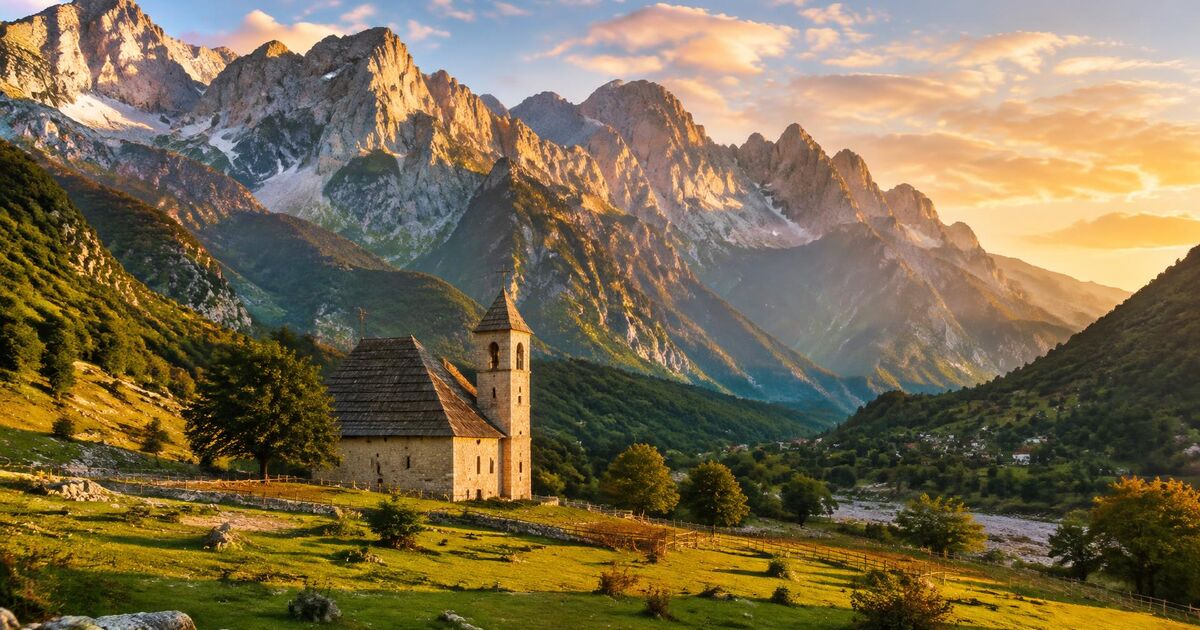
Theth National Park and Valbona Valley National Park form the core of northern Albania's protected areas, covering the rugged limestone terrain of the Albanian Alps.
Theth and Valbona Valley are located in the Accursed Mountains (Bjeshkët e Nemuna) and draw hikers from across Europe. The standard hiking route between the two parks crosses the Valbona Pass at an elevation of roughly 1,795 meters, taking between six and eight hours to complete. Shkodër serves as the standard transit gateway for both destinations, with shared transport operating to the trailheads daily during the peak summer months.
Both parks protect alpine ecosystems featuring brown bears, wolves, and chamois, alongside dense beech and pine forests. Traditional stone houses called kullas still stand in Theth, offering basic guesthouse accommodation and local meals to visitors exploring the surrounding peaks and river valleys.
| National Park | Region | Landscape Type | Entry Fee |
|---|---|---|---|
| Theth | Northern Alps (Shkodër) | Alpine valley and limestone peaks | Free |
| Valbona Valley | Northern Alps (Tropojë) | Glacial river valley and pine forests | Free |
| Butrint | South Coast (Sarandë) | Archaeological ruins and lagoon wetland | 1,000–1,200 ALL (€10–€12, prices change) |
| Divjakë-Karavasta | Central Coast (Lushnjë) | Coastal lagoon and pine forest | Free |
| Llogara | Ceraunian Range (Vlorë) | Mountain pass and coastal ridge | Free |
| Vjosa Wild River | Southern Albania (Përmet/Tepelenë) | Free-flowing gravel river network | Free |
Which national parks are located in central and southern Albania?
Key southern and central reserves include Butrint Archaeological Park, Divjakë-Karavasta National Park, and Llogara National Park along the Ionian coastal pass.
Divjakë-Karavasta National Park contains the largest lagoon in Albania and is an internationally recognized wetland under the Ramsar Convention. It hosts roughly five percent of the global population of the Dalmatian pelican. Wooden walkways, boat tours on the lagoon, and observation towers allow visitors to monitor migratory birds without disturbing nesting zones.
Llogara National Park sits on the Ceraunian coastal mountain range south of Vlorë, rising from sea level up to alpine meadows. Butrint National Park, located south of Sarandë near the Greek border, combines an ancient Greco-Roman and Byzantine archaeological site with surrounding freshwater lakes, reed beds, and olive groves.
What is the Vjosa Wild River National Park?
Established in 2023, the Vjosa Wild River National Park is Europe's first wild river national park, protecting over 400 kilometers of untamed river flow and its tributaries.
The Vjosa River flows unimpeded from its headwaters in the Pindus Mountains in Greece through southern Albania into the Adriatic Sea. The park designation protects the main river corridor and key tributaries, including the Drino, Bënçë, and Shushicë rivers, preventing the construction of hydroelectric dams that would disrupt river ecology and sediment transport.
Visitors access the river primarily via settlements such as Përmet and Tepelenë. Commercial rafting, kayaking, and hiking along gravel banks are the primary outdoor activities, with thermal sulfur pools located nearby along the Langarica Canyon tributary near Përmet.
Do you need permits or tickets to enter Albania's national parks?
Wilderness national parks in Albania do not require advance permits or entrance fees, but cultural and archaeological reserves charge admission.
National nature parks like Theth, Valbona Valley, Llogara, and Divjakë-Karavasta are open to the public without gates, tickets, or registration checkpoints. Butrint National Park requires an entry ticket purchased at the visitor pavilion, which generally costs between 1,000 and 1,200 ALL (€10–€12, prices change). Discounts are typically available for students and children.
Wild camping is generally tolerated in most natural parks, provided campers avoid lighting open fires and remove all waste. Visitors should respect park zoning rules, keep vehicles on designated gravel tracks, and avoid hunting, which remains strictly prohibited across Albanian protected areas.
When is the best time to visit Albania's national parks and how do you get there?
The optimal time for northern mountain parks is June through October, while coastal, wetland, and river parks are best visited from April to June and September to November.
The northern alpine valleys experience heavy snowfall from November to May, causing unpaved mountain roads and high passes to close. Summer brings warm, dry conditions suitable for alpine treks. Conversely, coastal reserves like Butrint and Divjakë-Karavasta can become uncomfortably hot and humid during July and August, making spring and autumn ideal for birdwatching and historical sightseeing.
Transport options vary by terrain. Paved motorways connect Tirana to central and southern parks such as Divjakë, Llogara (via Vlorë), and Butrint (via Sarandë), all of which are reachable with standard two-wheel-drive rental cars or regional buses. Reaching trailheads in Theth or Valbona Valley relies on minibuses (furgons) from Shkodër or high-clearance vehicles suited for steep gravel mountain roads.