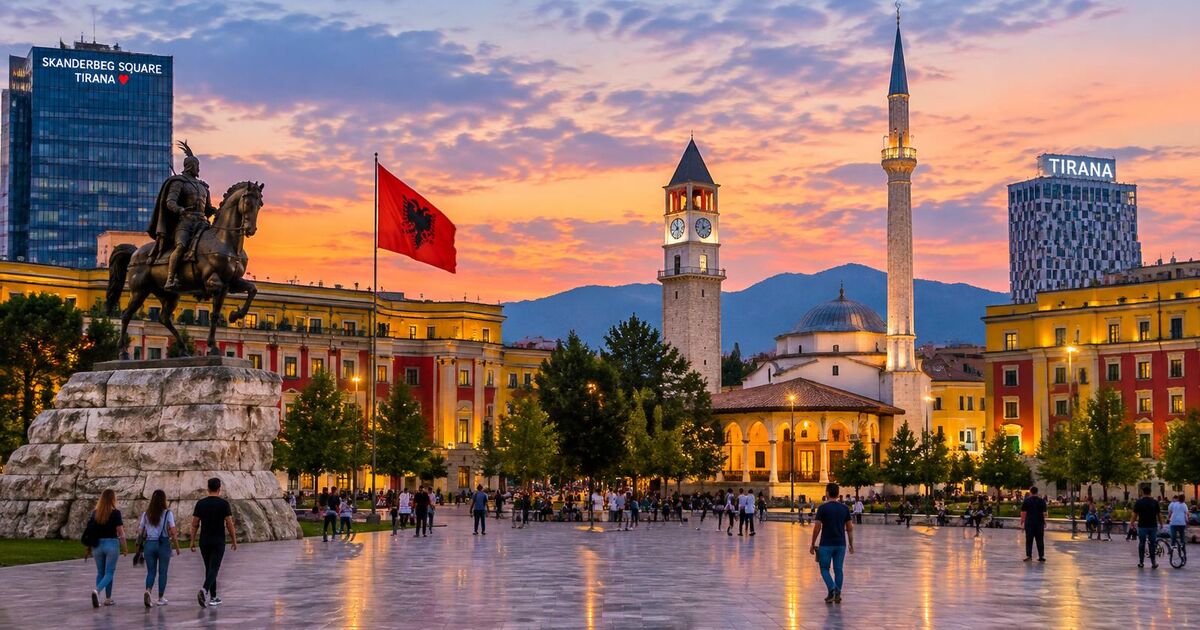
Trains in Albania: Current Railway Status and Guide
Updated 2026-11-01 · 5 min read · Prices and schedules change — check locally.
Open bus timetables →Are passenger trains currently running in Albania?
Passenger rail service in Albania is mostly dormant, with only sporadic, low-speed service on isolated segments like Elbasan to Durrës.
The state-owned operator Hekurudha Shqiptare (HSH) has seen decades of underinvestment since the fall of communism in the early 1990s. Derelict rolling stock, degraded tracks, and lack of funding led to severe speed restrictions and frequent cancellations. Tirana's original central station was demolished in 2013, effectively cutting off direct rail access to the capital.
While one or two legacy diesel trains have occasionally run between Durrës and Elbasan or Shkodër, timetables are unpredictable and unadvertised online. For practical travel purposes, visitors cannot rely on trains for getting between major destinations.
What is the status of the Tirana to Durrës railway reconstruction?
The Tirana-Durrës railway line is undergoing a complete reconstruction funded by the EBRD and the European Union, including a new spur to Tirana International Airport.
The project involves completely rebuilding 34 kilometers of track between Tirana and Durrës, alongside constructing a new 5-kilometer branch to Mother Teresa Airport (Rinas). Once operational, travel times are projected to drop to roughly 20 minutes from Tirana to the airport and under 15 minutes between Tirana and Durrës.
Testing and phased completion are targeted for 2025–2026, though official passenger start dates have faced repeated delays. Until the new terminal in Tirana and associated stations open fully to the public, no train services run on this corridor.
Can you take an international train into Albania?
No international passenger trains connect Albania to any other country.
The only cross-border rail connection exists between Shkodër and Podgorica in Montenegro. However, this border crossing was built exclusively for industrial freight and has never carried regular passenger trains.
There are no rail tracks connecting Albania to Greece, North Macedonia, or Kosovo. Travelers entering Albania overland must use international long-distance buses, private transfers, or personal vehicles.
What is the operational status of major Albanian rail lines?
Most historic lines are suspended, under construction, or limited to non-passenger freight.
Before planning any train excursion, you must check departures in person at local stations, as published schedules online are rarely maintained. Fares on surviving routes remain nominal, typically between 50 and 150 ALL (approximately €0.50 to €1.50), but travel times can be three times slower than road transport.
The table below summarizes the operational condition of the primary corridors across the HSH network.
| Route | Current Status | Notes |
|---|---|---|
| Tirana – Durrës | Under Reconstruction | Modernization with airport link; passenger service suspended |
| Durrës – Elbasan | Occasional / Limited | Infrequent single-train services; verify locally on day of travel |
| Durrës – Shkodër | Suspended | Tracks out of service for regular passenger transit |
| Durrës – Vlorë | Out of Service | Closed south of Fier; track condition unusable for passengers |
| Shkodër – Podgorica | Freight Only | No passenger carriages operate on this cross-border route |
What transport alternatives should travelers use instead of trains?
Buses and furgons provide extensive, frequent, and affordable intercity transport across Albania.
Intercity buses depart from dedicated regional terminals on the outskirts of major cities, such as the East and Regional bus terminals in Tirana. Domestic bus fares typically range from 300 to 1,200 ALL (€3 to €12) depending on distance. Furgons operate like shared shuttles and depart once full.
For flexibility, renting a car is the most convenient way to explore rural regions, the Albanian Alps, and the southern coast, where public transit schedules are limited.