Albanian Culture and Customs: Travel Etiquette Guide
Updated 2026-11-01 · 5 min read · Prices and schedules change — check locally.
How to Practice Proper Etiquette in Albania
- Accept offered hospitality gracefully, as hosts consider providing coffee, raki, or food an honor.
- Remove your shoes when entering a private home if you see footwear left by the door.
- Cover your shoulders and knees before entering any mosque, Orthodox church, or Catholic cathedral.
- Carry cash in Albanian lek for small transactions, as cards are rarely accepted in local bakeries and cafes.
- Acknowledge locals with a polite greeting such as 'Përshëndetje' (Hello) and maintain direct eye contact.
What is the concept of Besa and Albanian hospitality?
Besa is a traditional ethical code meaning 'pledge of honor' that obligates Albanians to protect and shelter guests.
The concept of besa is one of the most foundational cultural values in Albania, originating in the northern customary law known as the Kanun of Lekë Dukagjini. Historically, besa governed agreements, alliances, and sanctuary, asserting that an Albanian's home belongs first to God and the guest before the master of the house. This code gained international recognition during World War II, when Albanian families shielded Jewish refugees, resulting in Albania being one of the few European countries with a larger Jewish population after the war than before.
In modern daily life, besa translates into an intense standard of hospitality (mikpritja). Foreign visitors often find that taxi drivers, shopkeepers, or rural homeowners go out of their way to provide directions or assistance without expecting anything in return. When a local invites you for coffee or offers a treat, declining aggressively can be viewed as dismissive; accepting graciously acknowledges their gesture of goodwill.
What is the traditional evening walk known as the xhiro?
The xhiro is a daily evening ritual where residents walk down car-free pedestrian boulevards to socialize and unwind.
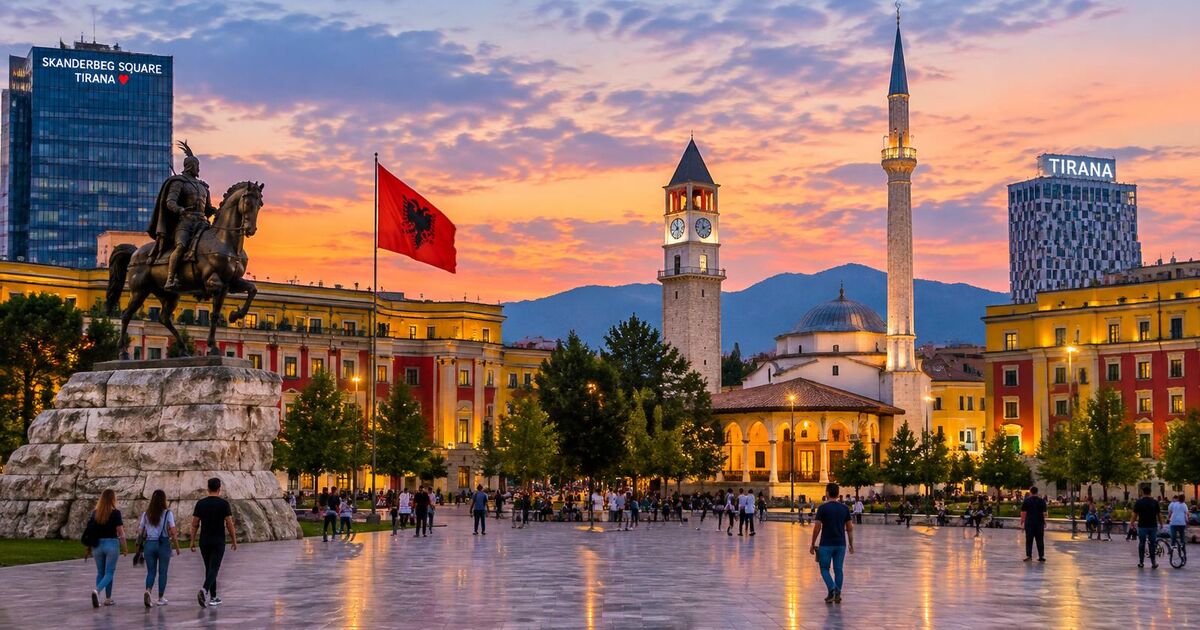
Around sundown throughout cities like Shkodër, Korçë, and Vlorë, main thoroughfares and pedestrian streets (pedonalja) fill with residents of all generations. Known as the xhiro, this walk is a structured social event rather than an ordinary commute. Families, retirees, and young people walk up and down the street at an unhurried pace, greeting neighbors and discussing the day's events.
Visitors can easily participate in the xhiro by joining the flow of foot traffic or taking a seat at an outdoor cafe along the route. Joining the walk requires no formal etiquette beyond dressing presentably, as Albanians often dress smartly for the occasion. It is common for nearby vehicle traffic to be blocked off by local municipalities during peak xhiro hours to allow pedestrians full use of the road.
What are the rules of Albanian dining and coffee culture?
Coffee in Albania is a seated social ritual, and dining etiquette revolves around shared hospitality and host generosity.
Coffee culture in Albania is central to social life. Espresso or Turkish coffee (kafe turke) costs roughly 70 to 120 lek (approximately 0.70 to 1.20 EUR, though prices change) and is meant to be consumed slowly while sitting down. Takeaway coffee exists in larger cities like Tirana, but the dominant custom is to spend at least half an hour drinking, conversing, and observing the street. Conducting business or catching up with friends almost exclusively occurs over a cafe table.
When eating out with Albanian companions, arguments over who pays the bill are standard. The person who extends the invitation typically insists on covering the entire table, and attempting to split the check item-by-item is uncommon in traditional settings. Tipping is standard practice in restaurants; leaving 5% to 10% in cash on top of the bill is standard, while rounding up the bill is customary in casual cafes and for taxi drivers.
| Custom | Setting | Standard Practice |
|---|---|---|
| Coffee Breaks | Cafes nationwide | Sit and sip slowly; quick takeaway drinking is rare among locals. |
| Paying the Bill | Restaurants with hosts | The host pays; offer once, but accept their gesture if they insist. |
| Raki Toasts | Social meals and home visits | Sip slowly instead of shooting; toast with 'Gëzuar' while making eye contact. |
| Service Tipping | Dining and transport | Tip 5% to 10% or round up in cash (prices change based on establishment). |
How do gestures and non-verbal communication work in Albania?
Albanians traditionally tilt their head side-to-side for agreement and nod upward with a tongue click for disagreement.
One of the most confusing non-verbal cues for travelers is the traditional Albanian system for indicating 'yes' and 'no'. A slight tilt of the head from side to side often indicates agreement or confirmation. Conversely, nodding the head upward—frequently accompanied by a sharp click of the tongue against the roof of the mouth—signals 'no'. While younger urban residents often adopt Western nodding patterns when speaking to tourists, the traditional gesture remains widespread, particularly in rural towns and among older generations.
Direct physical contact during greetings is standard between people of the same gender or close acquaintances. Handshakes with direct eye contact are standard when meeting someone for the first time. Friends often greet each other with cheek kisses, usually starting on the right. Personal space during conversations is generally smaller than in northern European or North American contexts, which should be understood as engagement rather than intrusion.
What is the dress code for religious and rural sites in Albania?
Visitors must cover their knees and shoulders at religious sites, while modest casual attire is expected in rural settlements.
Albania has a long history of interfaith harmony, with Sunni Muslim, Bektashi, Orthodox Christian, and Roman Catholic communities coexisting peacefully. In cities like Gjirokastër, Shkodër, and Përmet, churches and mosques often sit within walking distance of each other. When visiting mosques, guests must remove their shoes outside the prayer hall, and women are required to cover their hair with a scarf. In both Orthodox and Catholic churches, hats must be removed by men, and revealing garments such as short shorts or low-cut tops are restricted.
Dress codes in daily life depend on the destination. In coastal resort towns such as Sarandë and Vlorë, standard beachwear is acceptable on the promenade and beaches, but shirts and footwear must be worn when entering supermarkets, shops, or restaurants. In traditional mountain villages and conservative inland areas, clothing that covers the torso and upper legs helps avoid unwanted attention and shows respect to elderly community members.