Meaning of the Albanian Double-Headed Eagle and Hand Gesture
Updated 2026-11-01 · 4 min read · Prices and schedules change — check locally.
How to make the Albanian eagle hand gesture
- Open both hands with palms facing your chest.
- Cross your hands at the wrists or palms.
- Interlock your thumbs to form the eagle's heads.
- Spread your fingers wide to represent the feathers of the two wings.
What is the origin of the Albanian double-headed eagle?
The symbol originates from the Byzantine Empire and was adopted by the national hero Gjergj Kastrioti Skanderbeg in the 15th century.
Skanderbeg used the black double-headed eagle on a red field during his resistance against the Ottoman Empire. It was officially Re-adopted as the national flag when Albania declared independence in 1912.
Is the eagle hand gesture offensive?
Generally no, it is a peaceful symbol of identity, though it can be politically sensitive in certain Balkan contexts.
While Albanians use it to express joy at weddings or sporting events, it has occasionally caused controversy during international football matches involving teams from neighbouring countries. Visitors should use it respectfully as a gesture of cultural appreciation.
Where can travellers see the eagle symbol in Albania?
The symbol is ubiquitous, appearing on government buildings, monuments, and souvenirs across the country.
For historical context, visit the Skanderbeg Museum in Krujë or the National History Museum in Tirana. The flag is flown prominently in every city square, particularly during Independence Day on 28 November.
| Location | Significance |
|---|---|
| Krujë Castle | The seat of Skanderbeg where the eagle flag first flew. |
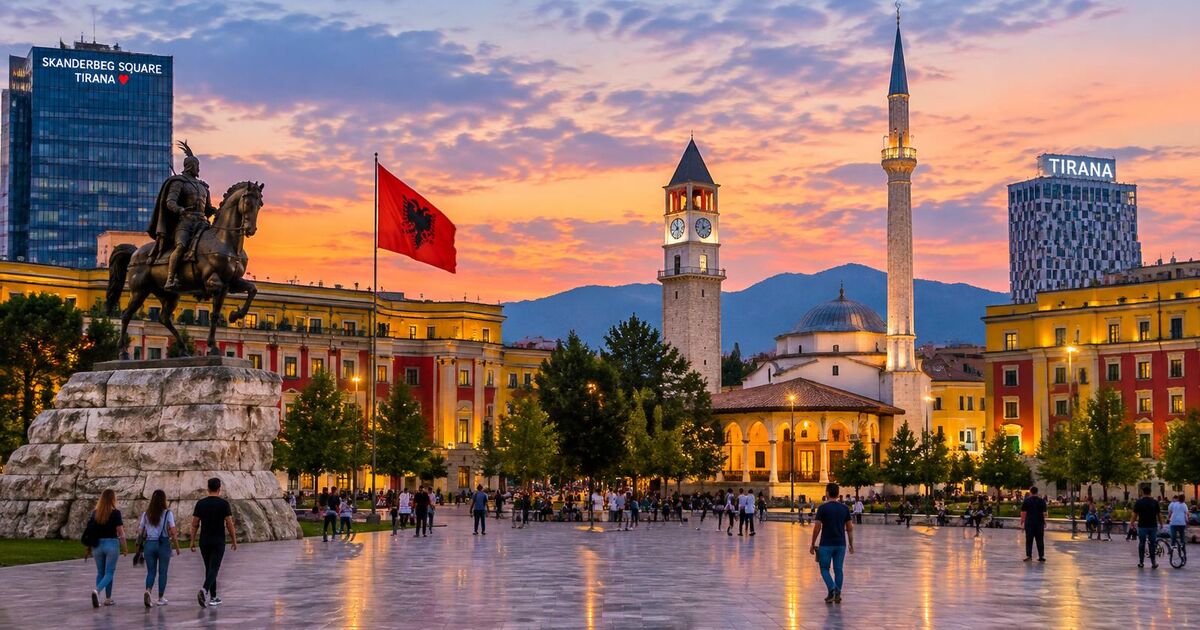
| Skanderbeg Square | The heart of Tirana featuring a large eagle monument. |
| National History Museum | Houses original historical banners and heraldic items. |
Why is Albania called Shqipëria?
The name Shqipëria relates to the word 'shqipe' (eagle), defining Albanians as the children of the eagle.
Etymologically, the name evolved during the medieval period. It reflects the rugged, mountainous terrain of the country where golden eagles are native, further cementing the bird's status as a biological and spiritual icon.
Sources
Keep reading
- Korçë Beer Festival: A Travel Guide to Albania's Largest Summer Tourism Event
- Berat Wineries and Wine Tasting Guide
- Dita e Verës: A Guide to Albania's Summer Day Festival
- Ballokume Biscuits and Summer Day in Albania
- A Guide to Shopping at the Krujë Old Bazaar
- A Guide to the Bektashi World Headquarters in Tirana