Albanian Iso-Polyphony Guide: UNESCO Folk Music
Updated 2026-11-01 · 6 min read · Prices and schedules change — check locally.
How to Experience Live Albanian Iso-Polyphony
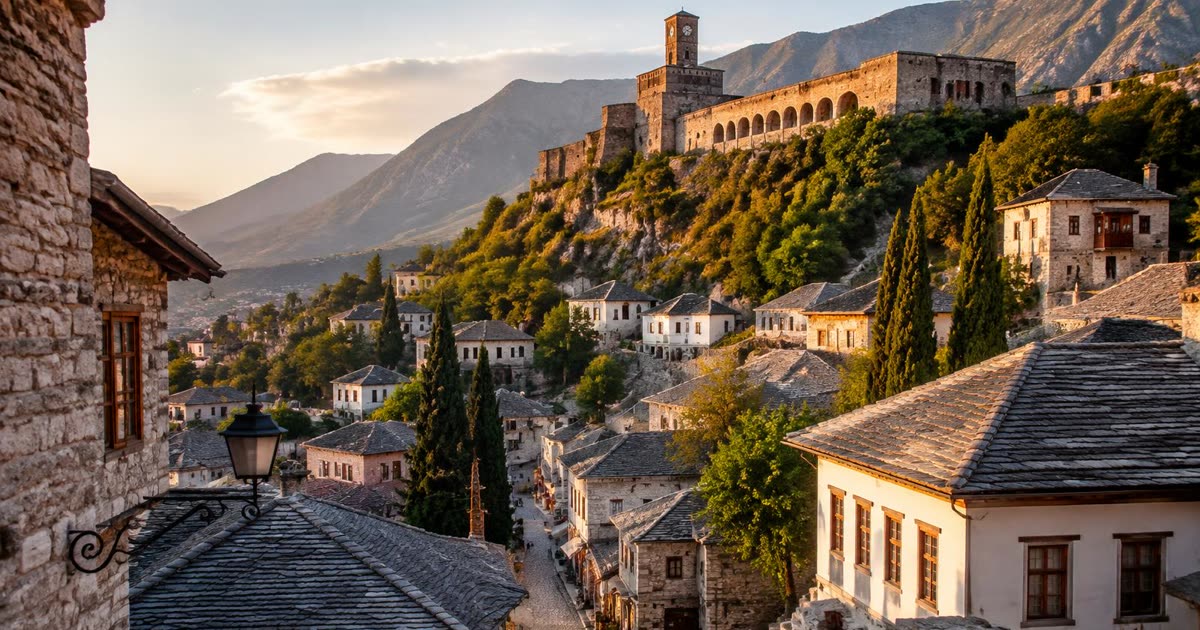
- Travel to southern Albanian cultural centers such as Gjirokastër, Përmet, or Vlorë where polyphonic ensembles remain active.
- Check municipal cultural calendars for folk events like the Gjirokastër National Folklore Festival or seasonal music evenings.
- Book dinner reservations at traditional heritage restaurants in Gjirokastër or Përmet that organize live ensemble evenings.
- Contact local cultural centers or tourist information offices to ask about ensemble rehearsal schedules open to respectful visitors.
- Purchase verified recordings directly from local cultural associations or municipal heritage shops to support ongoing music preservation.
What is Albanian iso-polyphony and how does it work?
Albanian iso-polyphony is an a cappella vocal art form where lead soloists sing intricate melodies over a low, continuous vocal drone called the iso.
The music is performed without instruments by groups of men or women, though mixed groups also exist. The lead vocalist (known as the 'iares' or 'marrës') begins the verse with a solo phrase. A secondary singer (the 'hedhës' or 'prerës') cuts in with a counter-melody, while a third singer sometimes adds an embellishing tier. Underneath these shifting vocal lines, the remaining members of the group hum a sustained unison note known as the 'iso', referencing the Byzantine musical term 'ison'.
Songs cover wide thematic grounds, ranging from epic ballads and regional resistance to lyrical love songs, weddings, and laments known as 'vajtim'. The music is rooted in communal participation, relying on intense coordination and eye contact among singers rather than written musical notation.
What are the regional differences in Albanian polyphony?
Southern Albania divides musically into Tosk and Lab traditions, each displaying distinct vocal tensions, scales, and group arrangements.
Lab polyphony, originating in the historical Labëria region spanning Vlorë, Kurvelesh, and Gjirokastër, is characterized by dramatic vocal tension, guttural vocal delivery, and sharp melodic breaks. Lab songs often feature four distinct vocal parts and frequently express themes of regional battles, stoicism, and historical tragedy.
Tosk polyphony, practiced further inland and eastward across Përmet and Korçë, features a smoother, more lyrical sound. Songs from Përmet are particularly renowned for their emotional depth and seamless blending of the solo voice with the supporting iso. In Korçë, traditional polyphony also intersected with urban serenades, creating a unique urban folk fusion.
| Feature | Lab Polyphony (Labëria) | Tosk Polyphony (Toskëria & Përmet) |
|---|---|---|
| Core Regions | Vlorë, Gjirokastër, Kurvelesh, Tepelenë | Përmet, Korçë, Skrapar, Kolonjë |
| Vocal Style | Tense, guttural, abrupt vocal breaks | Smooth, fluid, lyrical phrasing |
| Standard Vocal Parts | Four parts (marrës, kthyes, hedhës, iso) | Three or four parts with unified blending |
| Common Lyrical Themes | Warfare, regional resistance, stoic grief | Pastoral life, love, melancholic elegies |
Why is Albanian iso-polyphony recognized by UNESCO?
UNESCO inscribed Albanian iso-polyphony in 2005 as a Masterpiece of the Oral and Intangible Heritage of Humanity due to its antiquity and transmission risks.
The singing tradition represents an unbroken oral heritage linking modern southern Albania to ancient Balkan musical practices. UNESCO formally inscribed the art form on the Representative List of the Intangible Cultural Heritage of Humanity in 2008 following its original 2005 proclamation, citing its complex communal polyphony and role as an identity marker for southern communities.
Safeguarding efforts became urgent in the late 20th century due to rural depopulation, emigration, and modern media changing community habits. State institutions and local cultural associations in Albania now support youth training ensembles and documentary archives to ensure transmission between aging masters and younger singers.
Where can travelers hear authentic live polyphony in Albania?
Travelers can hear live performances at regional folklore festivals, municipal heritage events, and traditional folk restaurants in southern towns.
The premier platform is the Gjirokastër National Folklore Festival, an event organized on the grounds of Gjirokastër Castle periodically to showcase verified polyphonic groups from across Albania and the diaspora. Smaller annual events, such as the National Festival of Folk Polyphony in Vlorë or musical gatherings in Përmet, provide regular public access to regional troupes.
Outside festival dates, visitors can hear polyphony by arranging visits to traditional agritourism farms or restaurants in Gjirokastër and Përmet that host traditional ensembles for cultural banquets. Ticket prices for cultural festivals typically range from free entry to 500 ALL (€5), while dedicated dinner performances cost between 1,500 ALL and 3,500 ALL (€15 to €35) per person, though prices change based on season and venue.
What etiquette should visitors follow during polyphonic singing?
Listeners should remain quiet during the vocal pieces, avoid using flash photography, and save applause until the drone completely fades.
Iso-polyphony relies on acoustic balance and vocal concentration without amplified monitors. Audiences traditionally listen in silence, as talking can disrupt the pitch alignment between the soloists and the iso drone. For somber songs like historical laments, exuberant cheering is inappropriate; polite, attentive listening is standard practice.
If you attend an informal performance at an agritourism venue or tavern, wait until the piece finishes before toasting or approaching performers. Asking for permission before recording close-up videos is customary, and purchasing an ensemble's official recording is the standard way to support the musicians directly.