Berat Castle (Kala): What to See Inside
Updated 2026-11-01 · 6 min read · Prices and schedules change — check locally.
How to Visit Berat Castle (Kala)
- Walk up the steep cobblestone path from the Mangalem quarter or take a local taxi to the northern entrance gate.
- Enter the fortress grounds, which are open to pedestrians and free to access outside of vehicular tolls.
- Visit the Cathedral of the Dormition of St. Mary to tour the Onufri National Iconographic Museum.
- Explore the central ruins of the Red Mosque and the vaulted medieval water cisterns.
- Walk the southern ramparts past the Church of the Holy Trinity for views across the Osum River valley.
What are the main sights to see inside Berat Castle?
The primary sights inside Berat Castle include the Onufri Iconographic Museum, the Church of the Holy Trinity, historic cisterns, and the remains of two Ottoman mosques.
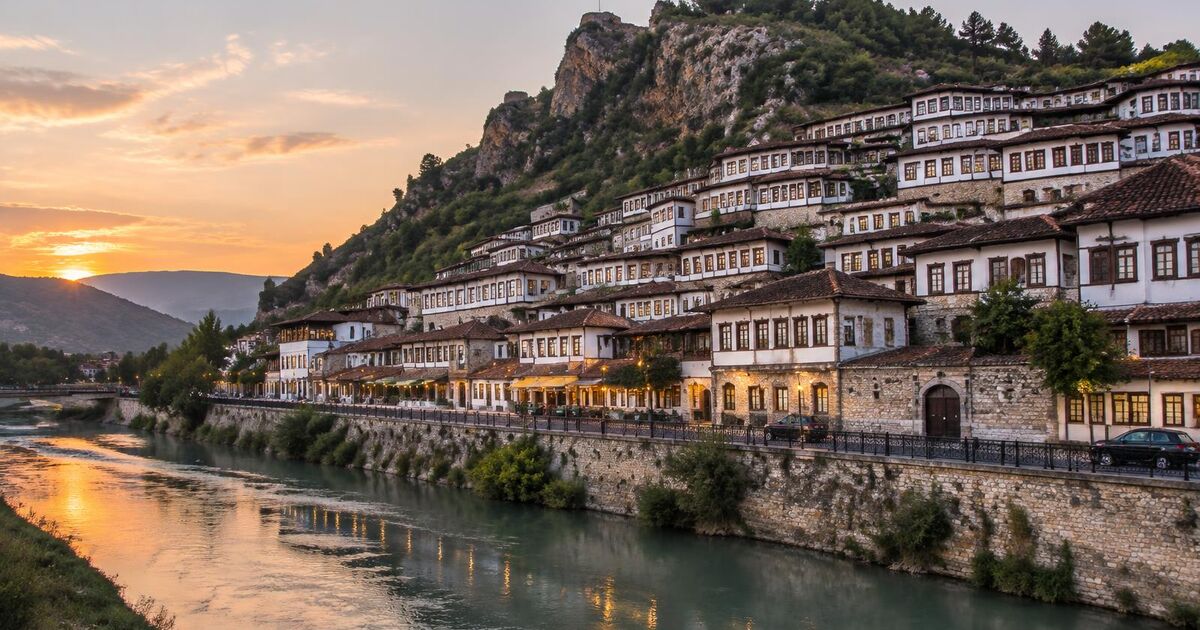
Berat Castle is unique in the region because it remains an inhabited neighborhood. Within its extensive stone circuit, visitors encounter paved alleys, small craft shops, and residential houses standing alongside medieval monuments spanning the Illyrian, Byzantine, and Ottoman periods.
The interior contains defensive works, residential architecture, and religious landmarks distributed across the upper plateau. Walking trails connect the northern citadel entrance to the southern viewpoints overlooking the river.
| Attraction | Period / Type | Key Feature |
|---|---|---|
| Onufri National Museum | 18th century / Byzantine Art | Carved wooden iconostasis and 16th-century religious icons |
| Church of the Holy Trinity | 13th-14th century / Byzantine | Cross-in-square brickwork on a cliffside terrace |
| Red Mosque (Xhamia e Kuqe) | 15th century / Ottoman | Intact minaret base made of red brick and limestone |
| Great Cistern (Saranxha) | Medieval / Infrastructure | Underground vaulted reservoir for fortress water storage |
| Southern Ramparts | Antiquity to Middle Ages | Views of Mount Tomorr and the Gorica quarter |
What can you see at the Onufri National Iconographic Museum?
The Onufri Museum exhibits over 170 post-Byzantine icons, sacred liturgical objects, and an elaborate gilded wood iconostasis.
The museum is housed inside the Church of the Dormition of St. Mary, an 18th-century basilica with stone masonry and painted floorings. The permanent collection highlights the masterworks of Onufri, a prominent 16th-century Albanian iconographer celebrated for his distinctive red mineral pigment, as well as works by his son Nikolla and later painters.
The central nave contains an ornate wood-carved iconostasis finished in 1806, covered in gold leaf. Entrance to the museum requires an admission ticket, typically priced between 400 and 600 ALL (approximately 4 to 6 EUR; prices change).
Which historic churches are located inside the fortress?
Notable surviving churches include the Church of the Holy Trinity, the Church of St. Mary of Blachernae, and the Church of St. Nicholas.
The Church of the Holy Trinity (Kisha e Shën Triadhës) sits against the inner defensive wall on the western slope. Constructed between the late 13th and early 14th centuries, it features classic Byzantine brick-and-stone cloisonné masonry and a dome supported by internal columns.
The Church of St. Mary of Blachernae dates from the 13th century and contains interior frescoes added in 1578 by Nikolla, son of Onufri. While several churches remain closed for active conservation, their exterior masonry illustrates the Byzantine ecclesiastical heritage of the fortress.
What remains of the Ottoman mosques inside Berat Castle?
The castle contains the ruins of the 15th-century Red Mosque and the 16th-century White Mosque.
The Red Mosque (Xhamia e Kuqe) was built shortly after the Ottoman conquest to serve the garrison stationed inside the castle walls. Its surviving minaret, constructed with red bricks and mortar, features an internal spiral staircase and marks the entrance to the inner citadel.
The White Mosque (Xhamia e Bardhë) was constructed later to accommodate the growing population within the fortress. Today, its foundations and low perimeter walls remain visible near the center of the citadel plateau.
Where are the best viewpoints inside Berat Castle?
The best viewpoints are located along the southern defensive platform and the plateau near the Holy Trinity Church.
The southern ramparts provide an unobstructed view of the Osum River, the historical Gorica quarter on the opposite bank, and the Gorica Bridge. On clear days, the limestone massif of Mount Tomorr is visible directly to the east.
The paths inside the fortress consist of worn limestone cobblestones that can be slick in wet conditions. Travelers should wear supportive footwear with reliable traction when walking along the uneven pathways and perimeter ramparts.