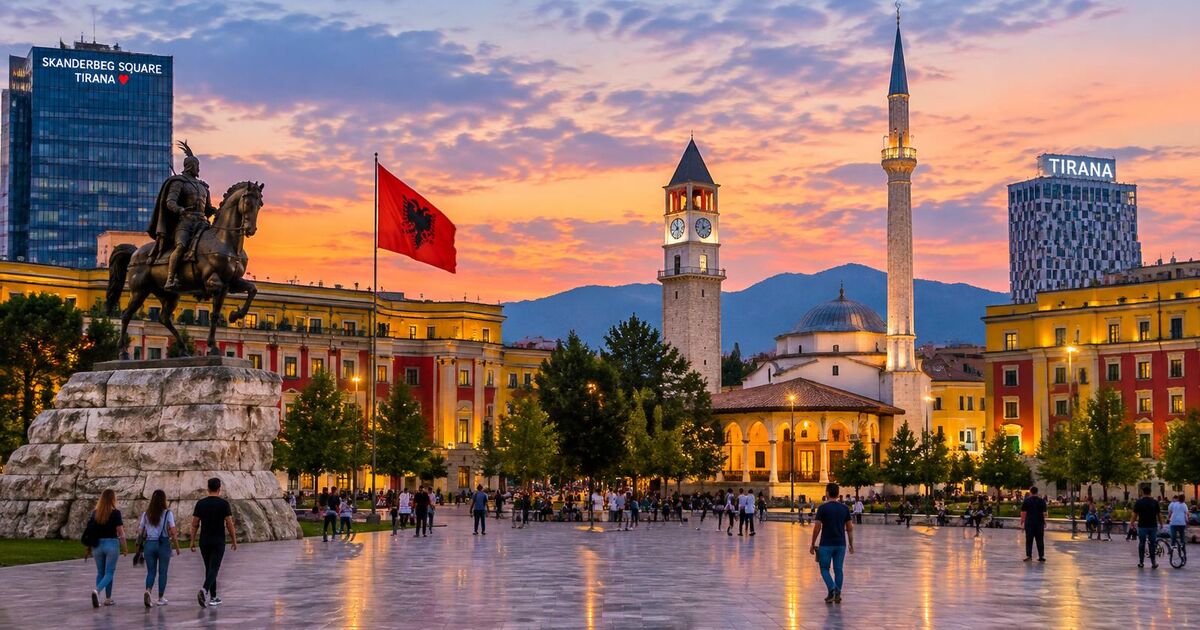
Besa in Albania: Understanding Albanian Honour and Hospitality
Updated 2026-11-01 · 5 min read · Prices and schedules change — check locally.
How to Respect Besa Culture as a Visitor in Albania
- Accept small offerings like Turkish coffee, mountain tea, or raki when welcomed into a local home or guesthouse.
- Remove your shoes at the entrance if you notice the host providing house slippers or if shoes are kept by the door.
- Show genuine gratitude to hosts in regional towns like Përmet, Gjirokastër, and Shkodër rather than treating stays merely as business transactions.
- Avoid aggressive attempts to pay when a local host insists on buying your coffee, as hosting is a point of personal pride.
- Compensate formal services fairly while leaving modest tips for helpful service at family-run eateries.
What is the meaning and origin of Besa in Albania?
Besa translates to 'pledge of honour' or 'faith' and represents a sacred promise that guarantees personal protection and honesty without written contracts.
The concept of Besa predates modern legal systems in the southwestern Balkans. Historically formalized in traditional codes of customary law, most notably the Kanun of Lekë Dukagjini, Besa served as an essential tool for social order, safe conduct, and community reconciliation in the northern and southern highlands.
Under the Kanun, a central tenet states: 'Shpia e shqyptarit asht e Zotit dhe e mikup' (The house of the Albanian belongs to God and the guest). Once a guest steps across the threshold, the host assumes total legal and moral responsibility for the guest's safety, wellbeing, and comfort, regardless of family rivalries or external threats.
How did Besa influence Albania's actions during the Holocaust?
Guided by the moral obligation of Besa, Albanians protected Jewish citizens and foreign refugees during World War II, leaving Albania as one of the few European nations with a larger Jewish population after the war than before.
During the German and Italian occupations of Albania in World War II, Albanian families refused to surrender Jewish refugees to Axis forces. Instead, Muslim, Christian, and secular families provided shelter, forged identity documents, and integrated Jewish refugees into their villages under the protection of Besa.
Israel's official Holocaust memorial, Yad Vashem, has recognized dozens of Albanians as Righteous Among the Nations. Historical records show that communities in Tirana, Shkodër, Berat, and Vlorë prioritized safeguarding their guests over their personal survival, viewing betrayal as the ultimate loss of family honour.
How do modern travellers experience Besa during a visit?
Travellers encounter the remnants of Besa through spontaneous generosity, widespread safety, and attentive hospitality at rural guesthouses throughout the country.
In modern tourism, Besa informs how local communities interact with outsiders. Visitors travelling through areas such as Korçë, Gjirokastër, and the northern mountains around Shkodër frequently receive directions, spontaneous assistance with transport, or invitations for food and drink from people who expect nothing in return.
Family-run guesthouses (bujtina) embody this culture directly. Hosts typically take personal interest in feeding guests hearty breakfasts and ensuring comfortable lodgings. Prices for accommodations and meals remain affordable, though seasonal fluctuations occur.
| Experience / Service | Typical Cost (ALL) | Typical Cost (EUR) | Notes |
|---|---|---|---|
| Guesthouse Room with Breakfast | 2,500 - 6,000 ALL | 25 - 60 EUR | Per night, double occupancy; prices change |
| Family-Style Regional Dinner | 1,000 - 2,200 ALL | 10 - 22 EUR | Per person, multi-dish meal; prices change |
| Traditional Coffee and Raki | 120 - 250 ALL | 1.20 - 2.50 EUR | Hosts often attempt to treat the guest; prices change |
| Village Guide / Local Escort | 3,000 - 7,000 ALL | 30 - 70 EUR | Per day rate for mountain/rural areas; prices change |
What is the relationship between Besa and traditional Kanun law?
Besa provided the ethical framework that regulated disputes, established truces, and protected non-combatants under the customary Kanun codes.
Customary law codes governed daily life in northern and central Albania for centuries, particularly where imperial Ottoman administration held limited sway. In the Kanun, giving one's Besa was a binding agreement that halted blood feuds, granted safe passage across rival territories, and regulated seasonal agricultural movements.
Violating Besa was regarded as the most serious social crime, bringing permanent dishonour to an entire clan. While modern civil and criminal courts replace customary law today, the historical weight of keeping one's promise remains a respected cultural virtue across contemporary Albanian society.
What common etiquette mistakes should visitors avoid?
Visitors should avoid flatly declining offers of food or drink, disrespecting home footwear traditions, or aggressively arguing over minor cafe bills.
When an Albanian offers coffee, water, or fresh fruit, declining abruptly can be interpreted as a rejection of their goodwill. If you cannot consume something due to dietary restrictions, explain politely, and take a sip of water or a token bite to acknowledge the gesture.
In rural homes and smaller family-run guesthouses from Sarandë up to Shkodër, check if hosts wear outdoor shoes inside before walking onto carpets. Additionally, when a local host insists on paying for an espresso or refreshment, offer to pay once; if they decline your payment, accept the treat graciously and return the favour later if possible.