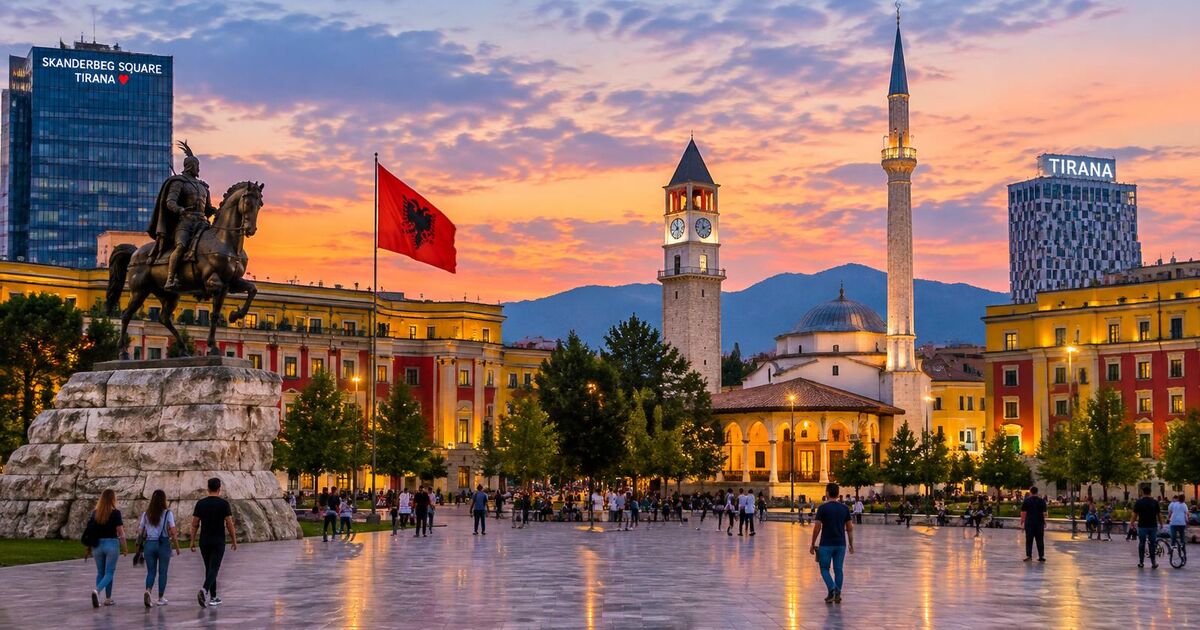
Blloku Tirana Guide: Cafés, Nightlife, and History
Updated 2026-11-01 · 5 min read · Prices and schedules change — check locally.
How to Spend a Day in Blloku, Tirana
- Walk south from Skanderbeg Square past the Lana River to enter the Blloku district.
- Stop at Enver Hoxha's former residence on Rruga Ismail Qemali to view its preserved exterior.
- Sit at an outdoor café along Rruga Ibrahim Rugova for an espresso or cold brew.
- Explore the surrounding side streets to view modernist villas, boutique shops, and urban murals.
- Have dinner at an Albanian or Mediterranean bistro, then sample local craft beers or cocktails at an evening lounge.
What is the history of Blloku in Tirana?
Blloku was an exclusive, heavily guarded residential sector reserved for Albania's communist leadership from 1945 until 1991.
During the communist era, the neighborhood officially named Ish-Blloku (The Block) was sealed off from ordinary citizens. Armed guards patrolled its perimeters, and only members of the Politburo and their families could enter or reside there. Behind the barricades, communist officials lived in relatively luxurious villas with access to imported goods, books, and medical care denied to the wider public.
After the collapse of the communist regime in 1991, Blloku was opened to the public. During the late 1990s and early 2000s, commercial developers and entrepreneurs turned the former private villas and tree-lined streets into cafés, clothing shops, and nightclubs. Today, the area serves as a symbol of Albania's rapid transition from international isolation to an open, commercialized society.
Can you visit Enver Hoxha's former villa in Blloku?
Enver Hoxha's villa is generally closed to everyday interior tours, but visitors can view its exterior and grounds freely from the street.
The former villa of Enver Hoxha sits near the corner of Rruga Ismail Qemali. Built in a functionalist, socialist-modernist architectural style, the house remains largely in its original condition. While state plans have periodically considered converting the building into a permanent museum or cultural center, it remains primarily closed for interior visits outside of occasional state-sponsored art events or exhibitions.
Despite the lack of public access to the rooms inside, the villa remains one of the most visited historical landmarks in Tirana. Travelers routinely stop outside the wrought-iron gates to photograph the structure and read the informational plaques describing the regime's insular lifestyle.
What is the café culture like in Blloku?
Café culture in Blloku centers around slow-paced espresso drinking, outdoor seating, and socializing at all hours of the day.
Coffee in Albania is a social ritual rather than a quick caffeine fix. In Blloku, cafés occupy nearly every street corner, featuring expansive outdoor terraces that remain full from morning until evening. Locals typically order an espresso, macchiato, or freddo espresso and sit for hours discussing business or social matters.
The neighborhood contains both traditional Italian-style coffee shops and contemporary specialty roasters serving pour-over coffees and single-origin beans. Service is table-based, and glasses of tap or bottled water are routinely served alongside coffee orders at no extra charge.
What are typical food and drink prices in Blloku?
Prices in Blloku are slightly higher than average for Tirana, with coffee costing roughly 100 to 200 ALL and cocktails ranging from 600 to 1,000 ALL.
While Blloku is one of the most affluent districts in Albania, prices remain accessible compared to western European capitals. Most venues accept both cash in Albanian lek and credit cards, though carrying cash is advisable for smaller purchases at kiosks and older cafés.
The table below outlines common costs across cafés, casual restaurants, and nightlife venues in the district. Note that prices change over time due to inflation and exchange rate fluctuations.
| Item | Price Range (ALL) | Price Range (EUR) | Notes |
|---|---|---|---|
| Espresso / Macchiato | 100 - 200 ALL | €1.00 - €2.00 | Prices change by venue type |
| Draft Beer (local/imported) | 250 - 500 ALL | €2.50 - €5.00 | 0.33L to 0.5L pours |
| Standard Cocktail | 600 - 1,000 ALL | €6.00 - €10.00 | Higher in upscale lounges |
| Casual Lunch Dish | 500 - 1,000 ALL | €5.00 - €10.00 | Pasta, salads, or local mains |
| Mid-range Dinner (per person) | 1,500 - 3,500 ALL | €15.00 - €35.00 | Excludes high-end wines |
What is the nightlife like in Blloku?
Nightlife in Blloku ranges from relaxed cocktail bars and craft beer pubs to high-energy lounges and late-night clubs with DJs.
Activity in Blloku shifts toward nightlife around 19:00, when locals gather for the xhiro (evening stroll) and pre-dinner aperitifs. Rruga Brigada VIII and Rruga Ismail Qemali are the primary corridors for nightlife, packed with open-air bars playing international and electronic music. Most venues stay open until at least 01:00 or 02:00 on weekends.
Dress codes in Blloku range from casual during the day to smart-casual in the evenings. The neighborhood is very safe for pedestrians late at night, with well-lit streets and visible police presence throughout the center of Tirana.