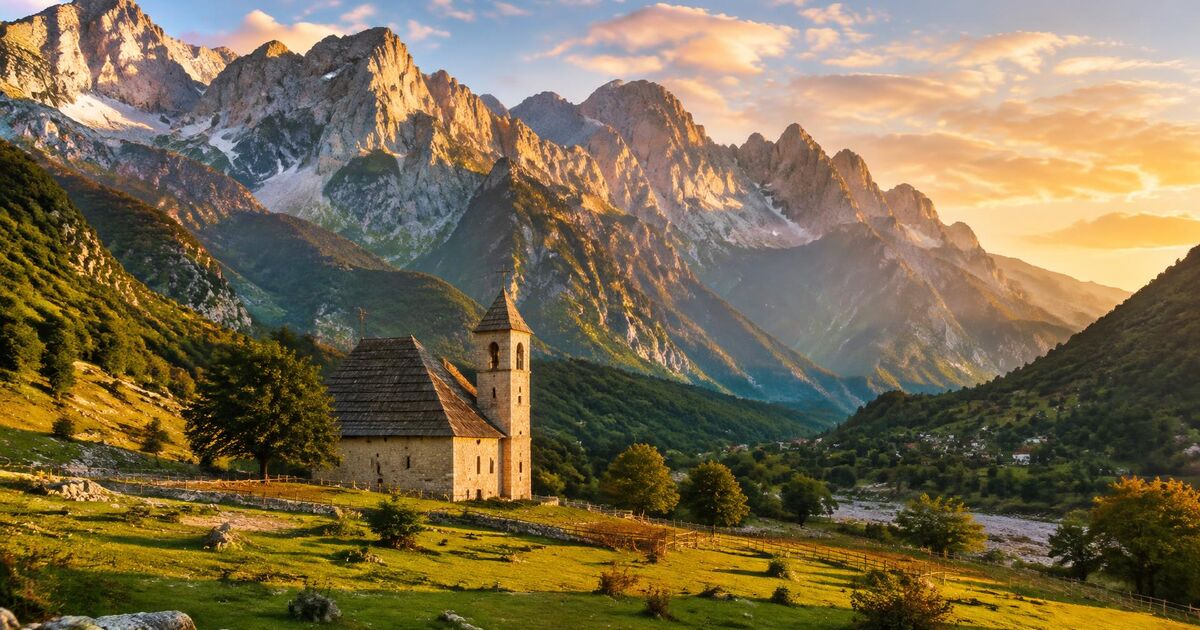
Lëpushë and Vermosh Travel Guide: Kelmend Highlands
Updated 2026-11-01 · 6 min read · Prices and schedules change — check locally.
How to Travel from Shkodër to Lëpushë and Vermosh
- Depart Shkodër northbound along the SH1 highway toward Koplik and the Hani i Hotit border area.
- Turn onto the SH20 highway at the Hani i Hotit roundabout to enter the Kelmend mountain route.
- Drive through the Cem River valley and pass the town of Tamarë before ascending the Rrapsh serpentine bends.
- Turn right at the Qafa e Bordolecit pass signpost onto the short access road to enter Lëpushë.
- Stay on the main SH20 highway past the pass for an additional 18 kilometers to reach Vermosh.
What is the difference between Lëpushë and Vermosh?
Lëpushë is a high-altitude mountain village surrounded by steep limestone peaks and beech forests, whereas Vermosh is situated lower in a wide, flat glacial valley along the Vermosh River.
Lëpushë sits at roughly 1,260 meters above sea level near the Qafa e Bordolecit pass. Because of its elevation and proximity to the massifs of Vajusha and Berizhdol, it has developed into the primary base for trekking in Kelmend. The settlement consists of houses dispersed across sloping meadows, bordered by protected beech woodlands that receive heavy snowfall from late autumn through spring.
Vermosh is located roughly 18 kilometers further north and stands at approximately 1,100 meters above sea level. It is the northernmost village in Albania, positioned in a wide valley carved by glaciers and framed by softer pastures. The local economy relies on cattle farming, dairy production, and small-scale agriculture, giving it a pastoral landscape distinct from the rocky terrain around Lëpushë.
What are the road conditions and transport options to Kelmend?
The SH20 highway from Hani i Hotit to Vermosh is fully paved, allowing standard passenger cars to make the journey safely without four-wheel drive during snow-free months.
The drive from Shkodër takes roughly 2 to 2.5 hours to Lëpushë and 2.5 to 3 hours to Vermosh. The SH20 road underwent complete reconstruction and asphalt paving, replacing the unpaved mountain track that previously isolated the valley. Key features along the drive include the Rrapsh serpentine viewing platform, which overlooks the Cem Canyon, and a fuel station in Koplik or Tamarë, as there are no large filling stations in Vermosh.
Shared minibuses (furgons) run daily between Shkodër and the Kelmend villages. Vehicles typically depart Shkodër in the morning from designated points near the city center and return from Vermosh and Lëpushë early the next morning. One-way fares generally range from 500 to 800 ALL (approximately 5 to 8 EUR), though prices change depending on fuel costs and season. Private taxis can be hired from Shkodër for 50 to 80 EUR (5,000 to 8,000 ALL), with rates varying by negotiation.
Which hiking trails are available around Lëpushë and Vermosh?
The Kelmend region features marked day hikes and ridge crossings, connecting local settlements to prominent peaks and cross-border trail networks like the Peaks of the Balkans.
Lëpushë is the starting point for ascents to Maja e Berizhdolit and Maja e Vajushës (also known as Talijanka on the Montenegrin side). The trail to Maja e Vajushës climbs through beech canopy before emerging onto high alpine pastures that offer views over the Grebaje Valley in Montenegro. Hikers crossing international borders must carry valid passports and obtain cross-border permits in advance if intending to exit Albanian territory.
Trails around Vermosh are generally gentler, following the river valley toward local landmarks such as the Vermosh Waterfall (Ujëvara e Vermoshit) and the surrounding ridge line toward Seferçe. Hiking paths are marked with red-and-white trail blazes maintained by regional outdoor initiatives, though downloading offline GPS tracks is advised due to occasional gaps in trail signage.
| Trail Route | Starting Point | Distance / Duration | Difficulty |
|---|---|---|---|
| Maja e Vajushës (Talijanka) | Lëpushë Center | 9 km / 4 to 5 hours | Moderate |
| Maja e Berizhdolit | Qafa e Bordolecit | 12 km / 5 to 6 hours | Demanding |
| Vermosh Waterfall Walk | Vermosh Center | 4 km / 1.5 hours | Easy |
| Lëpushë to Vermosh via Ridges | Lëpushë | 15 km / 6 to 7 hours | Demanding |
Where can visitors stay and eat in Lëpushë and Vermosh?
Accommodation in both villages consists of traditional, family-operated guesthouses (bujtina) that provide private rooms, shared bathrooms, and full-board home cooking.
Guesthouses in Kelmend offer simple, clean amenities, often including wood-stove heating for colder evenings and hot water supplied by solar or electric boilers. Overnight stays typically cost between 25 and 45 EUR (2,500 to 4,500 ALL) per person per night, including breakfast and dinner, though prices change based on season and room configurations. Advanced booking is recommended during July and August when capacity is limited.
Dining options outside of guesthouses are minimal, so most travelers eat directly at their lodging. Traditional Kelmend cuisine relies on local mountain agriculture, featuring cornmeal dishes such as mazë e zier (boiled clotted cream with flour), cured meats, pickled vegetables, mountain trout, and hard white cheeses produced from alpine dairy herds.
What is the best season to visit the Kelmend highlands?
The most reliable time to visit is between late May and mid-October, when roads are clear of snow and hiking routes are fully accessible.
Summer (late June through August) brings comfortable daytime temperatures ranging between 20°C and 28°C, along with cool evenings. This period is best suited for high-altitude trekking, though midday sun on exposed ridge lines requires sun protection and adequate water storage. Autumn, especially October, brings stable weather and changing colors across the beech forests surrounding Lëpushë.
Winter brings substantial snowfall that can close secondary dirt tracks and trailheads from December through April. While snowplows regularly clear the main paved SH20 highway up to the pass and into Vermosh, drivers must carry winter tires and snow chains. Several guesthouses pause operations during deep winter, making pre-arrival contact with hosts necessary.