National History Museum Tirana: What to See and Visit Guide
Updated 2026-11-01 · 6 min read · Prices and schedules change — check locally.
How to Visit the National History Museum in Tirana
- Check current opening status online or at local tourist kiosks, as major restoration work affects access.
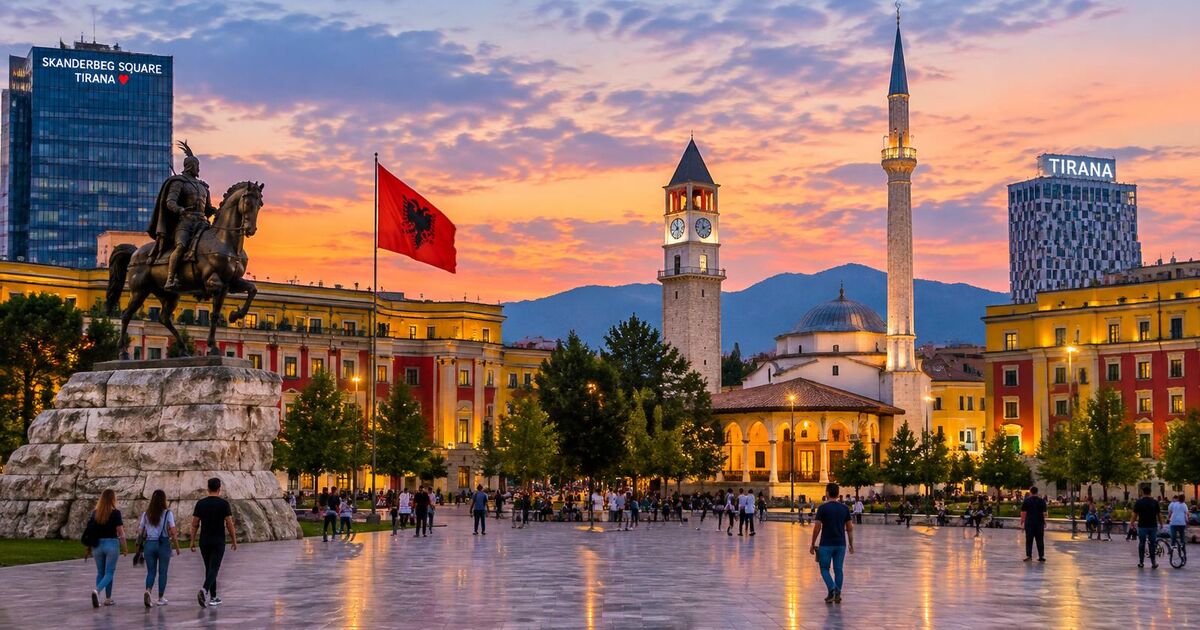
- Arrive at Skanderbeg Square and purchase tickets at the on-site box office.
- Begin on the ground floor with the Pavilion of Antiquity to view Illyrian and classical artifacts.
- Ascend to the upper galleries to examine the Iconography and Communist Terror pavilions.
- Exit into the square to study the 1981 mosaic mural titled 'The Albanians' spanning the front facade.
What are the most famous exhibits in the Antiquity Pavilion?
The Antiquity Pavilion displays over 400 prehistoric, Illyrian, Hellenistic, and Roman artifacts, led by the renowned mosaic 'The Beauty of Durrës.'
The ground-floor Antiquity Pavilion houses archaeological collections gathered from excavation sites across Albania, including Apollonia, Butrint, and Durrës. The central showpiece is 'The Beauty of Durrës' (E Bukura e Durrësit), a polychrome pebble mosaic dating to the late fourth century BC. Measuring roughly nine square meters, it portrays the profile head of a woman framed by floral elements and stands as one of the oldest and most significant ancient mosaics uncovered in the Adriatic region.
Other notable artifacts in this hall include Hellenistic marble statues, Illyrian bronze helmets, ceremonial weapons, and collections of ancient coins minted in Illyrian cities such as Dyrrhachium and Apollonia. The layout traces early human settlement in the western Balkans, leading directly into Roman provincial integration.
What can you see in the Pavilion of Iconography?
The Pavilion of Iconography displays dozens of post-Byzantine Orthodox icons, carved wood iconostases, and liturgical metalwork dating from the fourteenth to the nineteenth centuries.
This gallery showcases Albania's religious art tradition through works by prominent master painters. The collection highlights pieces by Onufri, a sixteenth-century iconographer known for his distinct reddish-pink pigment ('Onufri red') and realistic facial expressions. Works by his son Nikolla, as well as masters David Selenica and the Çetiri brothers, are also presented in climate-controlled cases.
Beyond individual panel icons on wood, the pavilion preserves fragments of gilded wooden iconostases salvaged from historic churches in Korçë, Berat, and Voskopojë. Liturgical chalices, processional crosses, and silver book bindings show the craft standards maintained by regional guilds during Ottoman administration.
What is inside the Pavilion of the Communist Terror?
The Pavilion of the Communist Terror details political persecution, labor camps, and executions under the Hoxha regime between 1944 and 1991.
Opened in 1996, this floor memorializes the victims of Albania's totalitarian era. The exhibit documents the network of labor camps and political prisons, such as the copper mine at Spaç and the fortress prison in Burrel. Wall panels display administrative execution orders, photographs of dissidents, and maps marking forced resettlement villages throughout the country.
Glass displays contain everyday belongings preserved by political prisoners, including handwritten journals, prison garments, and makeshift religious items created during the 1967 state ban on religion. The exhibition concludes with archival material documenting the democratic protests and embassy departures of 1990 and 1991.
What does the exterior mosaic on the museum facade represent?
Titled 'The Albanians,' the 565-square-meter exterior mosaic depicts key figures from Illyrian warriors to twentieth-century partisans.
Inaugurated alongside the museum in 1981, the monumental mosaic above the main entrance is an iconic example of late Albanian socialist realism. Designed by a collective of artists including Vilson Kilica, Aleksandër Filipi, and Agim Nebi, the artwork spans 565 square meters. It presents an allegory of national struggle across centuries, grouping figures into chronological resistance movements.
The imagery begins on the left with ancient Illyrians, transitions through medieval defenders under Gjergj Kastrioti Skënderbeu, proceeds to late-Ottoman National Renaissance figures, and culminates in mid-twentieth-century partisans carrying flags. Following the collapse of the communist regime in the 1990s, the design underwent slight restoration to remove communist symbols, including the red star on the central banner.
| Pavilion / Feature | Key Exhibits | Suggested Time |
|---|---|---|
| Antiquity Pavilion | 'The Beauty of Durrës', Illyrian weapons, Roman statuary | 40-50 minutes |
| Medieval Pavilion | Skanderbeg artifacts, epigraphic stone inscriptions | 20-30 minutes |
| Iconography Pavilion | Post-Byzantine icons by Onufri and David Selenica | 30-40 minutes |
| National Renaissance | Nineteenth-century publications, Rilindja documents | 20 minutes |
| Communist Terror | Spaç prison relics, surveillance gear, archival photos | 40-50 minutes |
| Exterior Facade | Socialist realist mosaic 'The Albanians' | 10-15 minutes |
How much does admission cost and what are the visit logistics?
Standard admission costs between 500 ALL and 1,000 ALL (roughly 5 EUR to 10 EUR), though prices change and entry policies vary during maintenance.
Tickets are purchased at the indoor booth near the entrance. Standard adult tickets cost between 500 ALL and 1,000 ALL (5 EUR to 10 EUR), with discounts available for students and seniors upon presentation of identification, though prices change over time. Audio guides in English and other major European languages are sometimes available at the reception desk for an extra fee.
The museum stands on the northern edge of Skënderbeg Square, within walking distance of the Et'hem Bey Mosque, the Clock Tower, and Bunk'Art 2. Long-term structural restorations periodically close select halls or the entire facility; travelers should verify open galleries with Tirana tourist information offices before organizing an itinerary.