Onufri Iconographic Museum Berat: Visitor Guide & Art
Updated 2026-11-01 · 5 min read · Prices and schedules change — check locally.
How to Visit the Onufri Iconographic Museum
- Climb or drive up the steep cobblestone road from the Mangalem quarter to the main entrance of Berat Castle (Kalaja).
- Enter the fortress and follow the stone pedestrian path to the Church of the Dormition of St. Mary.
- Purchase your entrance ticket at the museum front desk.
- Tour the central church hall to view the 1807 carved gilded iconostasis.
- Explore the surrounding galleries displaying original icons by Onufri, his son Nikolla, and other Albanian master painters.
Where is the Onufri Iconographic Museum located?
The museum is located within the residential citadel of Berat Castle inside the Church of the Dormition of St. Mary.
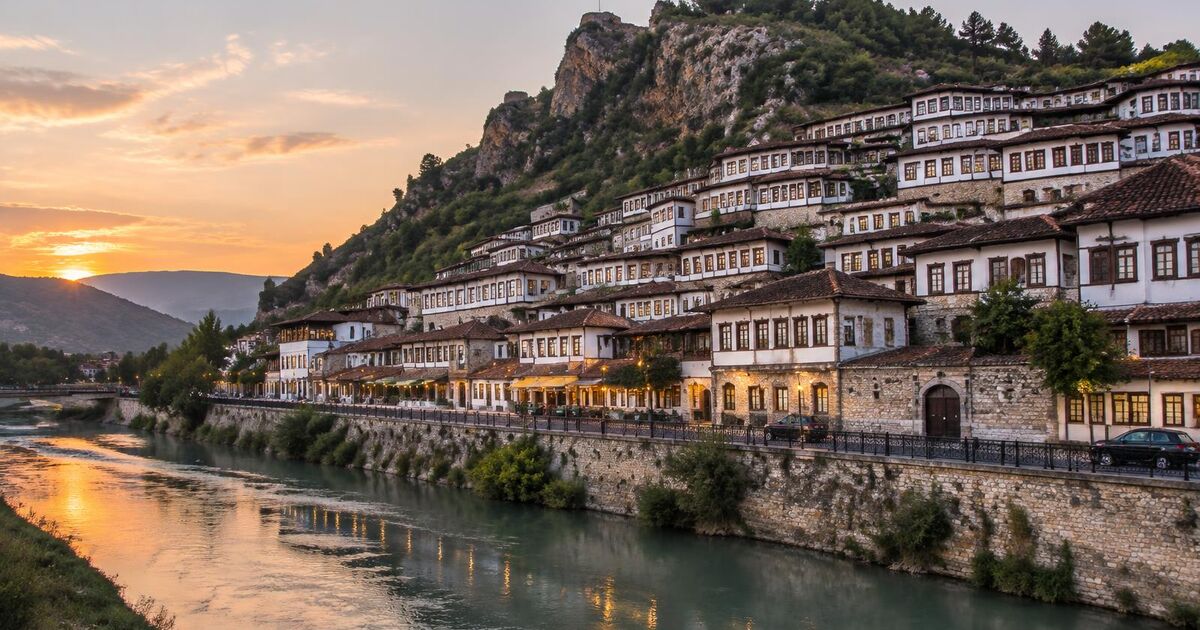
The museum sits atop the rocky hill overlooking the Osum River in Berat. Visitors reach the site by passing through the main gate of the Kalaja (Berat Castle), an inhabited fortress that has stood for over two millennia. Once inside the defensive walls, clear signage directs visitors through the stone alleys to the cathedral complex.
Walking from the lower Mangalem quarter to the castle entrance takes roughly 15 to 20 minutes uphill along a steep, polished stone path. Taxis and local minibuses can also take visitors to the fortress gates. The church housing the collection was rebuilt in 1797 on the foundations of an older 10th-century Byzantine structure.
What makes Onufri's icons culturally significant?
Master Onufri broke traditional Byzantine conventions by incorporating realistic human emotions, local landscape elements, and a vibrant red pigment that remains unique in art history.
Onufri worked across modern-day Albania, Greece, and North Macedonia during the 16th century. At a time when strict Byzantine icon painting prioritized rigid, formalized postures and subdued colors, Onufri introduced softer human anatomy, psychological depth in facial expressions, and dynamic compositions. His work brought Renaissance naturalism to Orthodox Christian iconography in the Balkans.
His most enduring hallmark is 'Onufri Red' (E kuqja e Onufrit), an intense, vivid pigment made from mineral formulations that have never been fully decoded by art conservators. Despite centuries of exposure to candlelight and humidity, the red tones in his paintings retain their depth and luminosity without significant fading.
What are the key exhibits and highlights inside the museum?
The primary exhibits include the cathedral's carved wooden iconostasis, master icons by Onufri and his son Nikolla, and liturgical items made of silver and gilt bronze.
The focal point of the museum is the cathedral's nave, dominated by a two-tiered wooden iconostasis carved in 1807 and gilded in gold leaf. The screen holds rows of large icons depicting scenes from the Old and New Testaments, Christ Pantocrator, and the Virgin Mary. Below the altar area, visitors can view the architectural preservation of the original cathedral masonry.
The gallery halls showcase nearly 200 preserved icons painted by Onufri, his son Nikolla, David Selenica, and Kostandin Shpataraku. In addition to tempera-on-wood paintings, the museum displays processional crosses, gilded chalices, silver Gospel book covers, and embroidered liturgical vestments used by Orthodox clergy between the 14th and 19th centuries.
| Artist / Item | Time Period | Key Characteristic |
|---|---|---|
| Master Onufri | 16th Century | Vivid 'Onufri Red' pigment and expressive facial features |
| Nikolla (son of Onufri) | Late 16th Century | Continuation of the Berat school with softer, pastel-infused palettes |
| David Selenica | 18th Century | Detailed portraits blending Athonite tradition with Balkan realism |
| Carved Iconostasis | 1807 | Two-tiered gilded wood screen with floral and zoomorphic reliefs |
How much does admission cost and what are the opening hours?
Tickets generally cost between 400 and 600 ALL (around 4 to 6 EUR), though prices change depending on government tariff updates.
Museum entry fees are modest and paid in Albanian lek or by card at the entrance desk. Rates generally range from 400 to 600 ALL per adult (approximately 4 to 6 EUR), with reduced tariffs often available for students and children. Note that entrance to the Berat Castle citadel grounds is typically free, but museum tickets must be purchased separately.
The museum operates year-round, typically opening six days a week from Tuesday through Sunday, with reduced afternoon hours during the low season from November to April. Because museum hours and fee structures change according to state decrees and season, visitors should verify current schedules upon arrival in Berat.
What should visitors know before visiting the Onufri Museum?
Visitors should wear shoes with good grip for the slippery cobblestones, budget about an hour for the tour, and avoid using flash photography.
The castle streets and interior courtyard of the cathedral are paved with worn limestone cobbles that become very slick, especially after rain. Flat walking shoes with rubber soles are essential for navigating the uphill climb and the museum grounds safely. Inside the museum, flash photography is strictly prohibited to prevent the degradation of centuries-old organic tempera pigments.
A typical visit takes between 45 and 60 minutes. Many travelers combine the museum with a broader tour of Berat Castle's defensive bastions, the ruins of the Red and White Mosques, and the panoramic viewpoints overlooking the Gorica and Mangalem quarters across the Osum River valley.