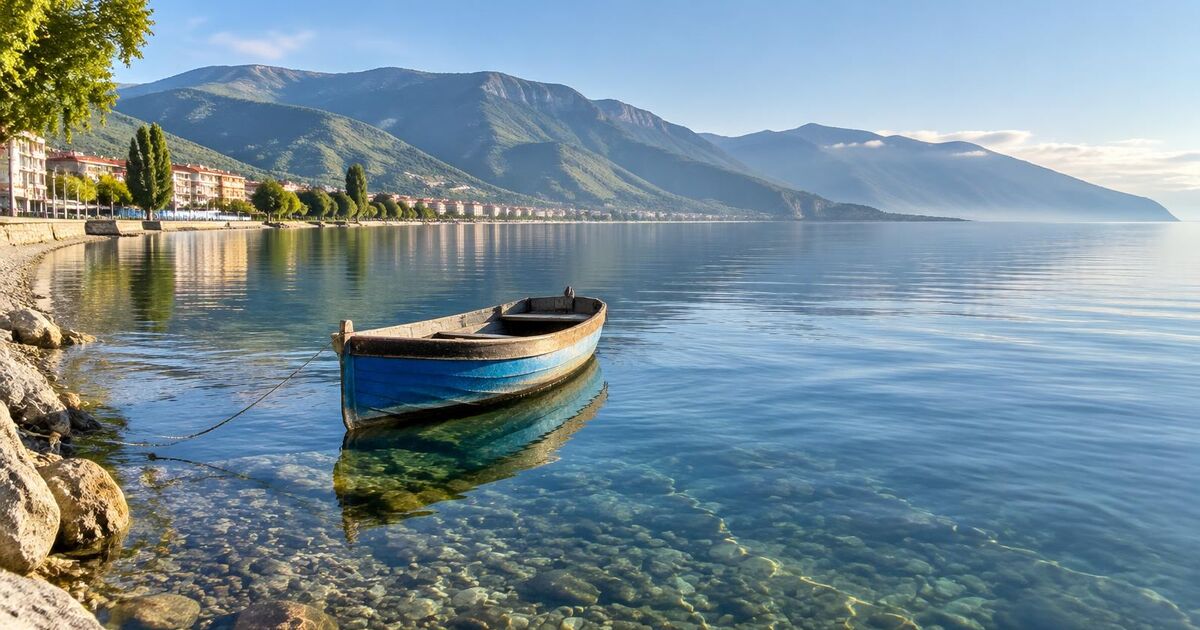
Pogradec & Lake Ohrid Albanian Shore Travel Guide
Updated 2026-11-01 · 5 min read · Prices and schedules change — check locally.
How to Travel to Pogradec from Tirana
- Head to Tirana's South and East Bus Terminal (Terminali i Autobusëve të Juglindjes).
- Board a direct minibus (furgon) or coach to Pogradec; departures run hourly from morning to mid-afternoon.
- Travel approximately 2.5 to 3.5 hours along the SH3 highway via Elbasan, Librazhd, and the Qafë Thanë pass.
- Arrive at the central drop-off point along Rruga Reshit Çollaku in Pogradec city center.
- Take a local shared minibus or taxi to reach suburban sites like Drilon, Tushemisht, or the Lin peninsula.
What are the top things to do in Pogradec and along Lake Ohrid?
Primary attractions include the freshwater park at Drilon, the lakeside village of Tushemisht, the Lin archaeological peninsula, and the paved municipal promenade.
Drilon National Park is located five kilometers east of Pogradec. Freshwater springs emerge from the ground into clear channels shaded by weeping willows before emptying into Lake Ohrid. Visitors can rent rowboats or walk the network of wooden footpaths. Adjacent to Drilon is Tushemisht, an intact lakeside settlement with traditional stone architecture, canals running through village streets, and family-run taverns.
To the northwest lies Lin, a quiet fishing village built on a rocky peninsula extending into the lake. Lin is known for its quiet pebble beaches and an elevated archaeological site containing an Early Christian basilica with 6th-century floor mosaics. Back in Pogradec town, the long waterfront promenade features cycling paths, beach access for swimming in summer, and open public squares.
What local food should you eat in Pogradec?
The signature specialty is Koran, a salmonid fish native to Lake Ohrid, typically baked in earthenware or prepared with walnuts.
Lake Ohrid is one of the world's oldest lakes, containing endemic fauna found nowhere else. The most famous local fish is the Koran (Salmo letnica), a pink-fleshed trout species. A classic regional preparation is Tavë Koreni me Nuç, baked in a shallow clay dish with ground walnuts, garlic, and vinegar. Belushka, a smaller lake fish, is commonly pan-fried or grilled.
Regional dining also features traditional dishes from Korçë county, including two-layered leek or onion pies called lakror, local goat and sheep cheeses, and seasonal garden vegetables. Note that strict conservation regulations govern fishing seasons on Lake Ohrid, so wild-catch availability depends on legal protection periods. Below is a guide to typical food and drink costs; prices change depending on season and establishment.
| Item | Description | Typical Price (Prices Change) |
|---|---|---|
| Grilled Koran Trout | Whole or filleted Lake Ohrid trout with sides | 1,200 - 2,000 ALL (€12 - €20) |
| Tavë Koreni me Nuç | Oven-baked trout in clay pot with walnuts | 1,400 - 2,200 ALL (€14 - €22) |
| Fried Belushka | Pan-fried small native lake fish | 800 - 1,200 ALL (€8 - €12) |
| Traditional Lakror | Regional baked pastry with vegetables | 400 - 700 ALL (€4 - €7) |
| Carafe of House Wine | Local red or white wine (0.5 liter) | 500 - 900 ALL (€5 - €9) |
How do you travel to Pogradec and cross into North Macedonia?
Pogradec connects to Tirana and Korçë via paved highways, and sits five kilometers from the Tushemisht-Sveti Naum border crossing into North Macedonia.
From Tirana, minibuses run regularly during daytime hours for approximately 500 to 800 ALL (€5 to €8; prices change) per passenger. The trip covers roughly 130 kilometers along the SH3. From the southern hub of Korçë, minibuses take 40 to 50 minutes and cost 200 to 300 ALL (€2 to €3; prices change). Road conditions are fully paved and suitable for all standard passenger vehicles.
Travelers heading into North Macedonia can use the Tushemisht border crossing, situated 5 kilometers east of Pogradec. Taxis can drop passengers at the Albanian border post for around 500 to 700 ALL (€5 to €7). From the border gate, you can walk 10 minutes directly to the Sveti Naum Monastery complex or arrange North Macedonian taxis toward Ohrid town. Drivers must hold valid green card vehicle insurance that covers both nations.
Why is the Lin Peninsula historically significant?
Lin contains prehistoric pile dwellings and a 6th-century Early Christian basilica that was added to the UNESCO World Heritage register in 2019.
Recent archaeological research conducted by Swiss and Albanian teams indicates that Lin was the site of prehistoric stilt-house villages dating back roughly 8,000 years, making it one of the oldest known sedentary lakeside communities in Europe. Wooden piles preserved in the lake mud demonstrate early agricultural and pastoral activity on the waterfront.
On the high ridge above the village, the Lin Basilica dates to the 6th century AD under the Byzantine Empire. The structure retains well-preserved floor mosaics featuring geometric designs, floral motifs, birds, and Eucharistic symbols. In 2019, UNESCO expanded the Lake Ohrid World Heritage property to include the Albanian side of the lake, formally protecting Lin's cultural and natural landscape.
How much does a trip to Pogradec cost?
Pogradec is an economical travel destination, with standard double rooms costing €25 to €60 per night and daily expenses averaging €30 to €50 per person.
Accommodation options in Pogradec include modest family-run guesthouses, self-catering apartments along the shore, and several mid-tier waterfront hotels. Double rooms outside the peak summer period cost between 2,500 and 4,500 ALL (€25 to €45; prices change) per night. During July and August, lakefront room rates rise to 5,000 to 8,000 ALL (€50 to €80; prices change).
Daily spending for meals, transportation, and small entrance fees remains low compared to coastal Albanian resorts like Sarandë or Vlorë. A standard coffee costs 100 to 150 ALL, local shared transport between Pogradec and nearby villages runs 50 to 100 ALL, and bicycle rentals along the promenade are available for 200 to 400 ALL per hour.