Things to Do in Dhërmi: Beaches, Village, Nightlife
Updated 2026-11-01 · 6 min read · Prices and schedules change — check locally.
How to Plan a Visit to Dhërmi
- Fly into Tirana International Airport or Corfu Airport, then travel by car or bus along the SH8 highway via Vlorë or Sarandë.
- Select accommodation in the historic upper village for quiet evenings or along Drymades and Dhërmi Beach for direct coast access.
- Rent a car or scooter to commute between the elevated village and the beach, as walking the steep road in summer heat is physically demanding.
- Book sunbeds and festival tickets several weeks in advance if traveling during peak season in July or August.
- Withdraw cash in lek or euros in advance, as local ATMs can run low during peak season and smaller venues may not accept card payments.
What are the best beaches in Dhërmi?
The most prominent beaches in the area are Dhërmi Beach, Drymades Beach, and the nearby coves of Palasë and Gjipe.
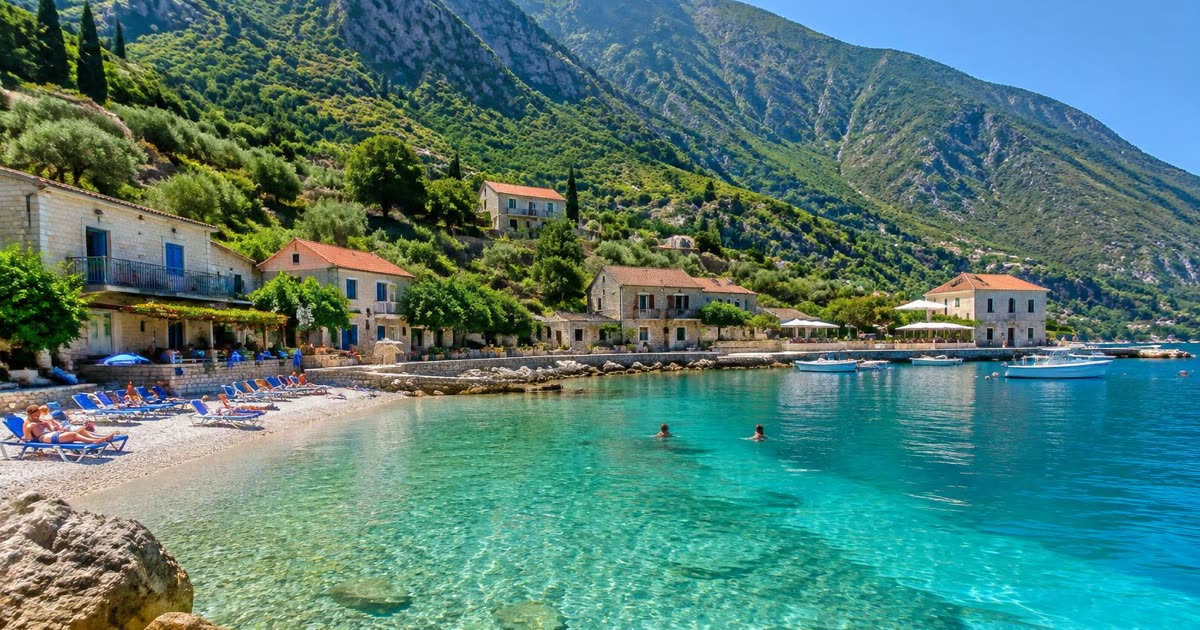
Dhërmi Beach is a long stretch of pale pebbles bordered by clear waters, seafood restaurants, and organized lidos. Drymades Beach sits just north of Dhërmi Beach, separated by a rocky outcrop. Drymades features a wider shoreline with sections of fine pebbles and coarse sand, offering both organized beach clubs and designated free zones where visitors can bring their own umbrellas.
For a more secluded visit, Gjipe Beach is accessible via boat taxi from Dhërmi or a 30-minute hike down from the canyon parking area. Gjipe is located at the mouth of a limestone gorge and has minimal commercial development. Sunbed sets at major beaches typically cost between 1,000 and 3,500 lek (€10 to €35), though prices change depending on the season and specific beach club.
| Beach Name | Shoreline Type | Access Method | Average Sunbed Cost |
|---|---|---|---|
| Dhërmi Beach | Pebbles | Paved road with public parking | 1,000 - 2,500 lek (€10 - €25) |
| Drymades Beach | Pebbles and coarse sand | Paved road with dedicated parking | 1,500 - 3,000 lek (€15 - €30) |
| Gjipe Beach | Pebbles | Boat taxi or 30-minute foot trail | 1,000 - 1,500 lek (€10 - €15) |
| Palasë Beach | White pebbles | Paved road via coastal access | 1,500 - 3,500 lek (€15 - €35) |
What is there to see in the historic village of Dhërmi?
The upper village of Dhërmi features traditional stone architecture, narrow alleys, and historic Orthodox churches overlooking the sea.
Dhërmi Village sits on the slope of the Ceraunian Mountains at roughly 200 meters above sea level. The old settlement features classic southern Albanian stone houses with slate roofs, arched entryways, and bougainvillea-covered footpaths. Exploring on foot provides a quiet cultural break from the busy coastal strip below.
Key cultural sites include the Monastery of Saint Mary, situated at the crest of the village, and the Church of Saint Spyridon with its distinct white bell tower. Many of the local churches contain centuries-old Byzantine-style religious art and frescoes. The village center also hosts family-owned tavernas serving local olive oil, mountain tea, and traditional southern meat dishes.
What is the nightlife like in Dhërmi?
Dhërmi is one of the primary summer party destinations in Albania, known for open-air beach clubs, cocktail lounges, and music festivals.
Evening entertainment is concentrated along Drymades Beach and the southern portion of Dhërmi Beach. From late June through August, beachfront venues operate daytime lounge services before turning into late-night clubs hosting domestic and European DJs. The scene includes both relaxed seaside cocktail bars and upscale party venues with reserved VIP areas.
Dhërmi also serves as the host venue for major summer music events such as the Kala and ION festivals, which draw international audiences for electronic and soul music. Standard drink prices at beach bars generally range from 400 to 900 lek (€4 to €9) for local or imported beer and 800 to 1,600 lek (€8 to €16) for cocktails, though prices change during festival dates.
What outdoor activities are available around Dhërmi?
Visitors can hike the Gjipe Canyon, take boat tours to coastal sea caves, or travel to Llogara National Park for alpine hiking.
Hiking through Gjipe Canyon is a standard day activity for active travelers, featuring limestone rock climbing sectors and rugged walking routes that extend several kilometers inland from the beach. Sea kayaking and small boat tours leave regularly from Dhërmi Beach to visit the Pirate Cave, a sea-level cavern carved into the cliffs under Saint Theodore's hill.
A short drive north along the SH8 highway leads up to Llogara National Park, which rises over 1,000 meters above sea level. Llogara provides cooler forest hiking trails, native wildlife observation, and views across the Ionian coastline. The pass is also the primary launch site for tandem paragliding flights that descend directly onto Palasë Beach.
When is the best time to visit Dhërmi and how do you get there?
The ideal time to visit is from June to September, with road access via the SH8 highway from Vlorë or Sarandë.
July and August bring the warmest sea temperatures and full operation of all beach clubs, but these months also have heavy traffic and the highest accommodation rates. June and September offer warm weather, calmer beaches, and lower lodging prices. Most beach businesses close between October and May, leaving services open primarily in the upper village.
To reach Dhërmi from Tirana, drivers follow the highway south through Vlorë, continuing through the Llogara Tunnel or over the mountain pass, a trip of around 3 to 3.5 hours. Travelers arriving via ferry from Corfu into Sarandë can drive north along the coastal road in approximately 1.5 to 2 hours. Regional minibuses run daily routes between Vlorë and Sarandë, stopping at the highway turnoff above the beach.