Pazari i Ri: Tirana's New Bazaar Food Market Guide
Updated 2026-11-01 · 5 min read · Prices and schedules change — check locally.
How to Visit Pazari i Ri in Tirana
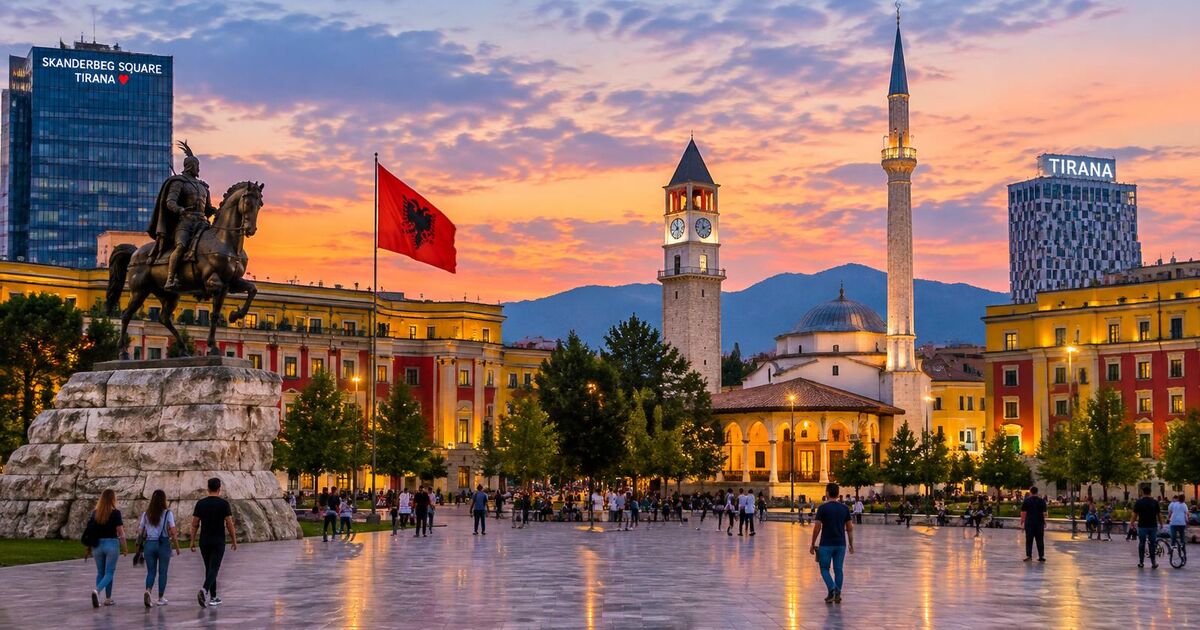
- Walk east from Skanderbeg Square along Rruga Luigj Gurakuqi for approximately 500 meters until you reach Avni Rustemi Square.
- Explore the covered central market hall where local vendors display seasonal fruits, mountain herbs, olives, and regional honey.
- Browse the perimeter shops to find specialty items like homemade raki, dried figs, and traditional white cheeses such as djathë i bardhë.
- Select fresh fish or cuts of meat from perimeter vendors, many of which can be grilled on site at neighboring eateries for a small cooking fee.
- Sit at an outdoor restaurant along the square to order traditional grilled meatballs (qofte) or local draft beer.
What is Pazari i Ri and where is it located?
Pazari i Ri is one of Tirana's oldest commercial market quarters, located just east of the central Skanderbeg Square at Avni Rustemi Square.
Originally established in 1931 to handle the expansion of trade in Tirana, the market underwent a complete urban revitalization in 2017. The project restored surrounding historic residential facades with colorful geometric patterns inspired by traditional Albanian carpets, while adding two modern glass-and-steel canopies over the central vendor stalls.
Today, the area functions as both a functioning daily neighborhood market for local residents and a social dining destination. Its location puts it within easy walking distance of major Tirana sights, including the National History Museum and the Bunk'Art 2 complex.
What food and local goods can you buy at the market?
Vendors at Pazari i Ri sell fresh seasonal fruit, vegetables, cured olives, Albanian cheeses, mountain tea, nuts, and artisanal spirits.
The central pavilion is primarily dedicated to fruit and vegetable farmers bringing goods from the Tirana plains and surrounding agricultural areas. You will also find stalls offering wild mountain tea (çaj mali), walnuts, dried figs, and diverse varieties of honey from various regions across Albania.
The surrounding brick-and-mortar storefronts house specialized purveyors of dairy and alcohol. Here you can sample white brine cheese, aged kaçkavall, and house-distilled grape or plum raki bottled in recycled containers.
Produce availability reflects the Mediterranean seasons, with citrus and pomegranates in winter, stone fruits in summer, and fresh figs in early autumn.
| Item | Typical Price Range | Notes |
|---|---|---|
| Espresso / Turkish Coffee | 80–150 ALL (€0.80–€1.50, prices change) | Served at perimeter cafes |
| Seasonal Produce (1 kg) | 100–300 ALL (€1.00–€3.00, prices change) | Apples, tomatoes, oranges |
| Artisanal Honey (1 jar) | 800–1,500 ALL (€8.00–€15.00, prices change) | Wildflower or chestnut varieties |
| Qofte Plate (5 pieces) | 250–400 ALL (€2.50–€4.00, prices change) | Traditional grilled beef meatballs |
| Local Draft Beer | 200–350 ALL (€2.00–€3.50, prices change) | Korça, Tirana, or Elbar brands |
Where and what should you eat around Pazari i Ri?
The perimeter of the square is lined with seafood taverns, traditional grill houses (zgara), and casual bakeries serving byrek.
A popular dining tradition at Pazari i Ri involves seafood. Several fishmongers display whole fish on crushed ice and allow customers to choose their catch, which nearby kitchen stations then clean and grill over charcoal for lunch or dinner.
If you prefer meat, traditional zgara spots serve grilled beef and lamb sausages, pork ribs, and qofte served with raw onions, roasted peppers, and flatbread. Bakeries in the side streets offer flaky byrek pastries filled with curd cheese, minced meat, or wild greens.
When is the best time to visit Pazari i Ri?
Morning is best for grocery shopping and market activity, while the late afternoon and evening offer the liveliest dining atmosphere.
Market vendors begin setting up around 07:00 and produce selection is at its freshest before midday. Early visits allow you to see neighborhood locals doing their daily shopping without heavy pedestrian traffic.
After 17:00, the market stands begin winding down, but the surrounding restaurants fill up with locals gathering for evening drinks and dinner. The market square is well lit and remains active until late evening throughout the week.
What practical tips should you know before visiting?
Bring cash in Albanian lek, expect vendors to speak limited English, and remember that bargaining on everyday food staples is not standard practice.
Credit cards are accepted in established sit-down restaurants around the perimeter, but small market stalls and street vendors accept cash only. Smaller denominations of lek are helpful, as vendors often lack change for large 5,000 ALL banknotes.
Prices for fresh produce are usually marked clearly per kilogram. While polite negotiation is common at flea markets, fixed-price norms apply to vegetables, dairy, and staple foods at Pazari i Ri.