Visiting the Berat Ethnographic Museum: A Guide
Updated 2026-11-01 · 45 min read · Prices and schedules change — check locally.
How to reach the Berat Ethnographic Museum
- Walk towards the Mangalem quarter from the city centre.
- Follow the uphill cobblestone path leading toward the Berat Castle.
- Look for the museum signage on the left side of the road halfway up the hill.
- Enter the gate to reach the ticket office located in the courtyard.
What can you see inside the museum?
Visitors can explore a fully furnished 18th-century home featuring a guest room, kitchen, and traditional workspace.
The ground floor focuses on local trades, displaying tools used by blacksmiths, potters, and silversmiths. The architecture itself is a highlight, featuring large wooden windows and a spacious 'çardak' balcony. The upper floor recreates the living quarters of a prosperous Berat family. You will see authentic textiles, wood-carved ceilings, and the 'sofa' area where families gathered for meals and socialising.
How much does it cost to enter?
Entrance fees are modest, typically costing between 200 and 400 lek per person.
Discounts are usually available for students and children. It is recommended to carry small denominations of local currency (Lek) as card payments are not always supported at the ticket desk.
When is the best time to visit?
The museum is best visited in the morning to avoid midday heat and larger tour groups.
Opening hours generally follow standard Albanian museum schedules, closing on Mondays and during public holidays. During the peak summer season, the museum may stay open later, but it is wise to check locally upon arrival in Berat.
What makes the building significant?
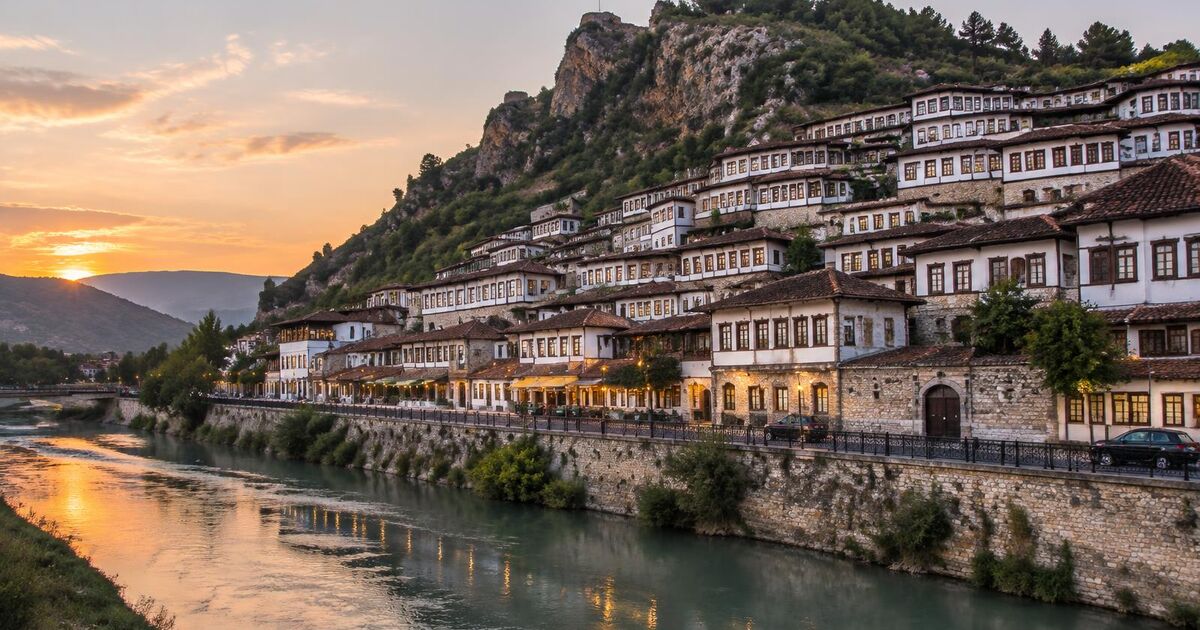
The museum is located in a protected 'monument of culture' that represents the unique Balkan-Ottoman architectural style.
| Feature | Description |
|---|---|
| Building Date | Mid-18th Century |
| Style | Urban Ottoman Dwelling |
| Status | Cultural Monument |
| Main Material | Stone and Timber |
Is the museum accessible for people with mobility issues?
Accessibility is limited due to the historic nature of the building and its location.
The path to the museum involves steep, uneven cobblestone streets. Once inside, the main living quarters are located on the second floor, accessible only by a set of narrow wooden stairs.