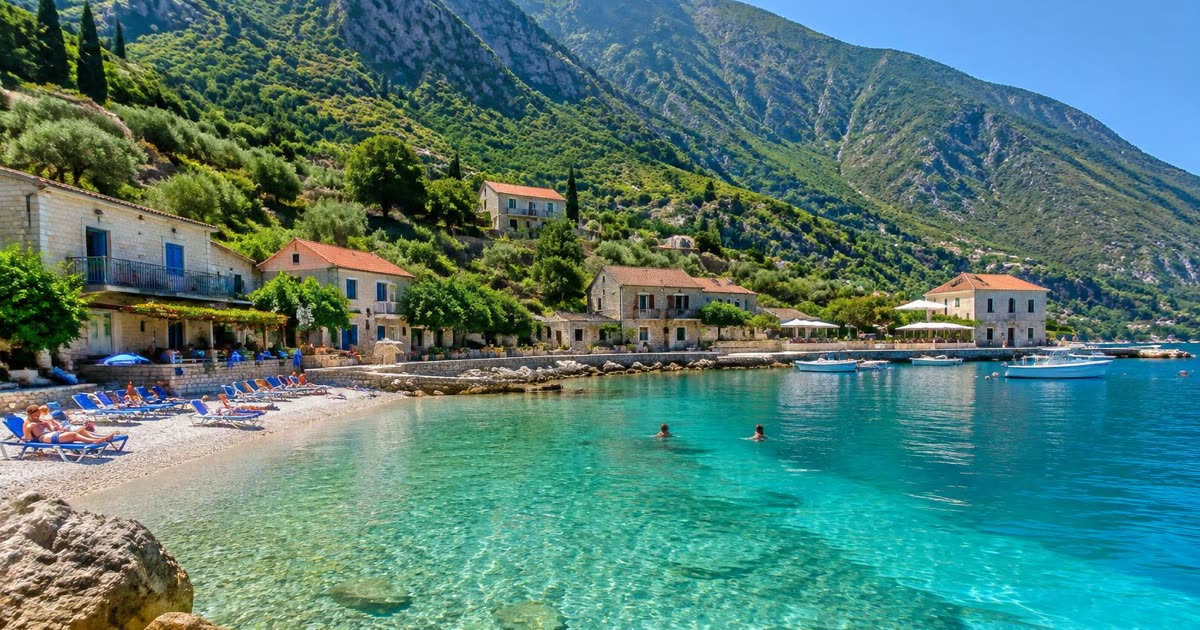
A Guide to Qeparo Old Village Above the Riviera
Updated 2026-11-02 · 4 min read · Prices and schedules change — check locally.
How to reach Qeparo Old Village
- Drive along the SH8 coastal road to the modern seaside village of Qeparo.
- Locate the narrow, paved uphill road leading inland towards the mountainside.
- Drive for approximately 10-15 minutes or hike for about 45-60 minutes up the winding path.
- Park at the entrance of the old village and explore the pedestrian alleys on foot.
What makes Qeparo Old Village unique?
Qeparo Old Village is distinct for its traditional stone masonry and its split identity between the mountain and the sea.
Unlike many coastal resorts, the upper village has remained largely frozen in time. The houses are built from local limestone, featuring defensive architecture and arched doorways that reflect the region's history during the Ottoman period. The village offers a stark contrast to the beach below, providing a silent, rural environment where visitors can observe traditional Albanian life amidst olive groves and ancient ruins.
When is the best time to visit?
The best time to visit is during late spring (May-June) or early autumn (September-October) for mild temperatures.
Summer months can be very hot, especially for those planning to hike up the hill. Visiting during the 'shoulder' seasons ensures fewer crowds and more comfortable walking conditions through the unshaded stone streets.
| Season | Weather | Crowd Level |
|---|---|---|
| Spring | Mild/Sunny | Low |
| Summer | Hot/Dry | Moderate |
| Autumn | Warm | Low |
| Winter | Cool/Rainy | Very Low |
Are there places to eat or stay in the old village?
Yes, several traditional guesthouses and small cafes have opened within restored stone houses.
While most tourist infrastructure is located at the beach, the old village offers a handful of boutique guesthouses for those seeking a quiet retreat. It is recommended to carry cash, as card facilities are limited in the upper village.
What should I see in Qeparo Old Village?
Key sights include the Church of Saint Mary and the expansive views over the Ionian Sea and Corfu.
The Church of Saint Mary dates back to 1796 and features a historic iconostasis and a prominent bell tower. Beyond specific landmarks, the main attraction is the village itself—a labyrinth of pathways that lead to viewpoints overlooking the sea and the coastal village below.
Sources
Keep reading
- Guide to Pilur and Kudhës: Mountain Villages Above Himarë
- Vuno Village and Jalë Beach: A Guide to the Albanian Riviera
- Visiting Kaninë Castle Above Vlorë: History and Views
- Visiting Sari Salltëk Teqe Above Krujë
- A Guide to Piqeras Village and Bunec Beach
- Things to Do in Dhërmi: Beaches, Village, Nightlife